
Manual Pelvic Massage: An Overview
Manual pelvic massage, guided by a pelvic floor therapist, reduces muscle tension, addresses scar tissue, and desensitizes muscles—beneficial both in-session and at home․
What is Manual Pelvic Massage?
Manual pelvic massage is a specialized therapeutic technique employed by trained pelvic floor therapists․ It involves external or internal application of hands to address tension and dysfunction within the pelvic floor muscles․ This targeted approach aims to release tightness, break down scar tissue that may be contributing to discomfort, and gently desensitize the area․
The goal is to help individuals regain control and comfort, particularly in situations where the fight/flight/freeze response causes muscle spasming, such as during gynecological exams or tampon insertion․ It’s a proactive method for improving pelvic health, and can be effectively continued at home, either independently or with a partner, utilizing finger pressure or tools like wands and dilators․
The Role of Pelvic Floor Therapists
Pelvic floor therapists are crucial in administering and guiding manual pelvic massage․ They possess the specialized knowledge to accurately assess pelvic floor muscle function, identify trigger points, and determine the appropriate techniques for each individual’s needs․ Their expertise ensures safe and effective treatment, addressing issues like muscle tension and scar tissue discomfort․
Beyond the initial sessions, therapists empower patients to continue care at home, providing guidance on self-massage techniques, partner-assisted massage, and the proper use of tools like wands and dilators․ They also offer valuable resources, such as downloadable PDFs, to support ongoing pelvic health and comfort, proactively preventing issues like bladder leaks and aiding postpartum recovery․
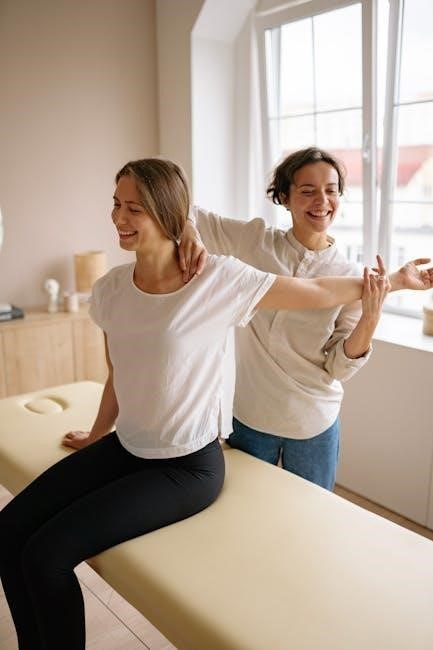
Benefits of Pelvic Massage
Pelvic massage offers significant advantages, including reduced muscle tension, prevention of scar tissue discomfort, and desensitization of pelvic floor muscles, easing the fight/flight response․
Reducing Muscle Tension
Pelvic floor muscles, like any other muscle group, can hold onto tension, often due to stress, trauma, or learned patterns․ This chronic tension can contribute to pain, discomfort, and dysfunction in the pelvic region․ Manual pelvic massage, performed by a trained therapist, directly addresses this tension by applying gentle, sustained pressure to the muscles․
This pressure helps to release trigger points – hyperirritable spots within the muscle – and restore normal muscle length and flexibility․ By releasing tension, massage can alleviate pain, improve blood flow, and promote relaxation․ It’s a key component in breaking the cycle of muscle spasm and pain, allowing the pelvic floor to function optimally․ The goal is to restore a balanced and coordinated pelvic floor, reducing overall discomfort and improving quality of life․
Preventing Discomfort from Scar Tissue
Scar tissue, resulting from surgeries (like episiotomy or C-section), injuries, or even chronic inflammation, can significantly impact pelvic floor function and cause discomfort․ This tissue lacks the elasticity of healthy muscle, leading to restrictions and pain, especially during movement or intimate activity․ Manual pelvic massage plays a vital role in addressing these issues․
The gentle pressure applied during massage helps to break down adhesions within the scar tissue, improving its pliability and restoring normal tissue mobility․ This reduces pain, improves range of motion, and prevents the scar tissue from restricting surrounding structures․ By addressing scar tissue, massage can alleviate discomfort during gynecological exams and tampon use, promoting overall pelvic health and well-being․
Desensitizing Pelvic Floor Muscles
Many individuals experience heightened sensitivity or even pain in their pelvic floor muscles due to factors like chronic tension, trauma, or a heightened fight/flight/freeze response․ This can manifest as spasms or guarding during internal examinations or intimacy, creating a cycle of discomfort and anxiety․ Manual pelvic massage offers a pathway to desensitization․
Through gentle, progressive pressure, massage helps to retrain the nervous system and reduce the overactivity of these muscles; This process gradually decreases sensitivity, allowing for more comfortable internal experiences․ By addressing the underlying neurological component, massage can break the cycle of spasming and pain, fostering relaxation and improved function within the pelvic floor․
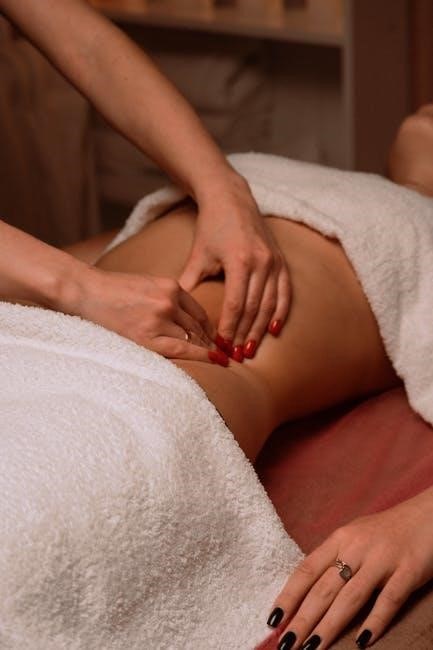
Methods of Pelvic Massage
Pelvic massage techniques include self-massage, partner-assisted massage, and utilizing tools like wands and dilators for targeted muscle release and comfort․
Self-Massage Techniques
Self-massage empowers individuals to proactively manage their pelvic health and comfort․ Utilizing finger pressure, gentle internal work can be performed to address muscle tension and desensitize the pelvic floor․ Many find this particularly helpful in preparing for gynecological exams or tampon insertion, reducing associated discomfort․
Resources, such as downloadable PDF guides, detail the purpose of this treatment and provide step-by-step instructions for safe and effective self-application․ These guides often illustrate how to use tools like wands or dilators to enhance the massage and target specific areas․ Consistent practice can contribute to preventing bladder leaks and supporting postpartum pelvic floor recovery, fostering a greater sense of body awareness and control․
Partner-Assisted Massage
Partner-assisted pelvic massage offers another avenue for addressing pelvic floor dysfunction and enhancing comfort․ Similar to self-massage, it utilizes gentle pressure – often with fingers – to release muscle tension and desensitize the area․ Open communication and a comfortable environment are crucial for a positive experience․
This approach can be particularly beneficial for individuals who find self-massage challenging or prefer the support of a partner․ Downloadable PDF guides provide detailed instructions for both partners, ensuring proper technique and safety․ Utilizing tools like wands or dilators alongside partner assistance can further enhance the effectiveness of the massage, promoting relaxation and improved pelvic health․
Use of Tools (Wands & Dilators)
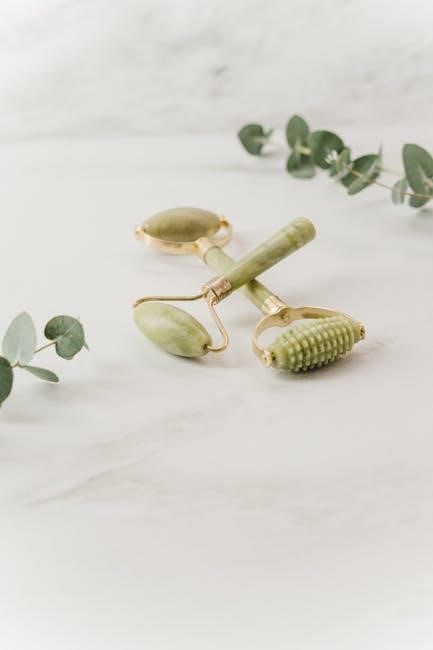
Pelvic massage isn’t limited to manual techniques; tools like wands and dilators can significantly enhance treatment and self-care․ Wands provide targeted pressure to release trigger points and alleviate muscle tension, while dilators gently stretch tissues, addressing sensitivity and discomfort during penetration․
These tools empower individuals to take control of their pelvic health, particularly when addressing tampon discomfort or preparing for gynecological exams․ Detailed PDF guides offer comprehensive instructions on safe and effective tool usage, ensuring proper technique and gradual progression․ Combining tools with finger pressure, or partner assistance, can maximize benefits and promote lasting relief․
Applications & Conditions Addressed
Pelvic massage aids discomfort during exams, tampon use, and prevents bladder leaks; it’s also crucial for postpartum pelvic floor recovery and strengthening․
Relief from Discomfort During Gynecological Exams
Many individuals experience anxiety and discomfort during gynecological examinations due to pelvic floor muscle tension․ Manual pelvic massage, performed by a trained therapist or practiced at home, can significantly alleviate this tension․ By releasing trigger points and addressing muscle spasms, the massage prepares the pelvic floor for the exam, reducing the fight-or-flight response that often leads to painful contractions․
This proactive approach helps desensitize the muscles, making insertion easier and less distressing․ Utilizing techniques with fingers, wands, or dilators, individuals can regain control over their pelvic health and minimize discomfort․ Consistent practice empowers patients to approach these exams with greater comfort and reduced anxiety, fostering a more positive healthcare experience․
Addressing Tampon Discomfort
Discomfort during tampon insertion or use often stems from pelvic floor muscle tension and hypersensitivity․ Manual pelvic massage offers a targeted solution by releasing these tight muscles and desensitizing the pelvic floor․ This technique, guided by a therapist or performed independently with tools like wands or dilators, can significantly reduce pain and anxiety associated with tampon use․
By addressing trigger points and preventing the fight-or-flight response, massage facilitates easier insertion and a more comfortable experience․ Regular practice strengthens pelvic floor muscles and improves overall pelvic health, empowering individuals to manage their menstrual cycles with greater ease and confidence․ Downloadable guides provide detailed instructions for self-massage and partner-assisted techniques․
Preventing Bladder Leaks
Manual pelvic massage plays a crucial role in preventing bladder leaks by strengthening the pelvic floor muscles, which directly support bladder control․ Weakened or dysfunctional pelvic floor muscles are a primary contributor to urinary incontinence․ Targeted massage techniques, whether performed by a therapist or through self-massage with tools, help restore muscle tone and function․
This proactive approach addresses underlying muscle imbalances and improves neuromuscular coordination․ By reducing tension and improving blood flow, massage enhances the pelvic floor’s ability to contract and relax effectively․ Consistent practice, guided by available resources and downloadable PDFs, empowers individuals to take control of their bladder health and minimize leakage episodes․
Postpartum Pelvic Floor Recovery
Manual pelvic massage is incredibly beneficial for postpartum pelvic floor recovery, addressing the significant strain experienced during pregnancy and childbirth․ The birthing process can weaken pelvic floor muscles and create scar tissue, leading to discomfort and dysfunction․ Gentle, targeted massage helps restore muscle tone, release tension, and improve blood circulation to the area․
This aids in healing and regaining optimal pelvic floor function․ Whether performed by a therapist or through self-massage techniques – detailed in downloadable guides – it supports bladder control, reduces pain, and prepares the body for a return to activity․ Proactive recovery minimizes long-term issues and enhances overall well-being․
Understanding Pelvic Floor Muscles
Pelvic floor muscles often spasm due to the fight/flight/freeze response; manual pelvic massage can desensitize these muscles and address related trigger points and pain․
The Fight/Flight/Freeze Response & Pelvic Floor Spasms
The fight/flight/freeze response is a physiological reaction to perceived threat, and it profoundly impacts the pelvic floor muscles․ When activated, these muscles often involuntarily contract, leading to spasms․ This is a protective mechanism, but chronic activation can cause discomfort and dysfunction․
Manual pelvic massage plays a crucial role in interrupting this cycle; By gently releasing tension in the pelvic floor, massage helps to calm the nervous system and reduce the likelihood of spasming, particularly during activities like insertion (tampon use or gynecological exams)․ Desensitization through massage can lessen the intensity of the fight/flight/freeze response, promoting relaxation and restoring normal muscle function․ It’s a key component in regaining control and comfort․
Trigger Points and Pelvic Pain
Trigger points – hyperirritable spots within muscle tissue – are frequently found in the pelvic floor and can significantly contribute to chronic pelvic pain․ These points radiate pain to other areas, creating a complex web of discomfort․ Manual pelvic massage directly addresses trigger points by applying sustained pressure to release the tension and break the pain cycle․
A skilled therapist uses massage to identify and deactivate these trigger points, restoring normal muscle length and function․ This targeted approach can alleviate pain during activities like gynecological exams or tampon insertion․ Combining massage with self-care techniques, utilizing tools like wands, empowers individuals to manage their pelvic health and proactively prevent pain recurrence, improving overall well-being․
Practical Considerations
Proper technique is crucial for safe and effective pelvic massage; resources and guides (PDF downloads) are available to support both self-care and partner-assisted methods․
Importance of Proper Technique
Performing pelvic massage requires a nuanced understanding of pelvic floor anatomy and physiology․ Incorrect technique can exacerbate discomfort or even cause harm, highlighting the need for careful execution․ It’s vital to begin gently, respecting the body’s natural responses and avoiding forceful manipulation․
Understanding the principles of oscillation, similar to those found in a Foucault pendulum, can inform a gentle, rhythmic approach․ Just as maintaining oscillations requires minimizing amortissement (damping), pelvic massage benefits from a consistent, non-jarring pressure․
Seeking guidance from a qualified pelvic floor therapist is paramount, especially when initiating self-massage or partner-assisted techniques․ They can provide personalized instruction and ensure proper form, maximizing benefits and minimizing risks․ Utilizing available resources, like downloadable guides, can supplement professional advice and foster confident, safe practice․
Resources and Guides (PDF Downloads)
To empower your pelvic health journey, comprehensive guides detailing manual pelvic massage techniques are readily available for download․ These resources clarify the purpose of internal work and provide step-by-step instructions for both self-massage and partner-assisted approaches․
The guides cover utilizing tools like wands and dilators, emphasizing safe and effective application․ Understanding the connection between pelvic floor function and concepts like oscillation – mirroring principles seen in systems like the Foucault pendulum – enhances technique․
These PDFs aim to demystify the process, fostering confidence in performing these exercises at home․ They supplement professional therapy, offering a pathway to proactive pelvic floor care, addressing discomfort during exams, tampon use, and postpartum recovery․ Downloadable resources are available here․
Historical Context & Related Concepts
The Foucault pendulum’s oscillation principles relate to maintaining pelvic floor muscle function, while understanding amortissement aids in addressing muscle spasms and tension․
The Foucault Pendulum & Oscillation Principles
The Foucault pendulum, a demonstration of Earth’s rotation, offers a compelling analogy for understanding pelvic floor muscle behavior․ Léon Foucault’s 1851 pendulum—a 28kg steel sphere suspended by a 67-meter steel wire—illustrates sustained oscillation․ This concept mirrors the desired state of pelvic floor muscles: rhythmic, controlled movement․
Just as external forces dampen the pendulum’s swing, factors like the fight/flight/freeze response can disrupt pelvic floor function, leading to spasms․ Maintaining oscillation, preventing amortissement (damping), requires addressing these disruptive forces․ Understanding these principles helps visualize how consistent, gentle techniques—like manual pelvic massage—can restore and maintain healthy pelvic floor muscle oscillation, promoting comfort and function․
Amortissement and Maintaining Oscillations
Amortissement, or damping, describes the gradual loss of energy in an oscillating system like the Foucault pendulum, eventually bringing it to rest․ Similarly, pelvic floor muscles can lose their optimal tone due to factors like scar tissue or chronic tension, hindering their natural rhythmic function․ This “damping” manifests as discomfort during activities like gynecological exams or tampon use․
Maintaining pelvic floor “oscillations” – healthy muscle movement – requires addressing these damping forces․ Manual pelvic massage, whether self-administered, partner-assisted, or utilizing tools, aims to restore and sustain this natural rhythm․ By releasing tension and desensitizing muscles, it counteracts amortissement, promoting bladder control and postpartum recovery․
Safety and Precautions
Seek professional guidance before starting pelvic massage, especially with contraindications․ Proper technique is crucial to avoid discomfort or injury during internal work․
When to Seek Professional Guidance
It’s essential to consult a pelvic floor therapist if you experience persistent pelvic pain, discomfort during gynecological exams, or challenges with tampon use․ A trained professional can accurately assess your condition and tailor a treatment plan specifically for your needs․
Don’t hesitate to seek help if you’re unsure about proper technique or experience any adverse reactions while attempting self-massage or partner-assisted techniques․ They can provide personalized instruction and ensure safe, effective practices․
Postpartum recovery often benefits significantly from professional guidance, as a therapist can address specific muscle imbalances and scar tissue restrictions․ Ignoring discomfort or attempting to self-treat without proper knowledge could potentially worsen symptoms or delay healing․
Contraindications for Pelvic Massage
Pelvic massage isn’t suitable for everyone․ Certain conditions necessitate avoiding this therapy․ Active infections, such as yeast infections or bacterial vaginosis, are clear contraindications, as massage could exacerbate the issue․
Acute inflammation, including pelvic inflammatory disease (PID), also requires avoiding massage․ Individuals with a history of recent pelvic surgery should postpone treatment until fully healed and cleared by their physician․
Furthermore, those experiencing active bladder or bowel infections, or with certain cancers in the pelvic region, should refrain from pelvic massage․ Always disclose your complete medical history to your therapist to ensure safety and appropriate care․