
Backpack Size Guide: Finding the Perfect Fit
Navigating the world of backpacks requires understanding volume, intended use, and personal fit; experts recommend selecting bags based on trip length and gear needs.
Understanding Backpack Volume (Liters)
Backpack capacity is measured in liters, indicating the total volume of space available inside the main compartment and external pockets. This measurement is crucial for determining if a backpack can hold all your necessary gear for a specific trip. A smaller volume, like 20 liters, is suitable for minimal day trips, while larger volumes, exceeding 70 liters, are designed for extended expeditions requiring substantial supplies.
Understanding how liters translate to real-world items is key. Consider the bulkiness of your sleeping bag, tent, and clothing. Don’t solely rely on the liter number; think about the type of gear you’ll be carrying. Compressible items allow for more efficient packing, maximizing space within a given volume. Properly assessing your gear’s volume needs will ensure a comfortable and well-organized backpacking experience;
Common Backpack Sizes & Their Uses
Backpack sizes broadly correlate with activity type and trip duration. Smaller packs, ranging from 20-35 liters, excel as daypacks for hiking, carrying essentials like water, snacks, and a light jacket. Mid-sized packs (30-50 liters) are versatile for weekend adventures, accommodating overnight gear and extra layers.
For multi-day backpacking trips, 50-75 liter packs become necessary, providing ample space for tents, sleeping bags, cooking equipment, and food. Extended expeditions or longer treks demand the largest packs, 70+ liters, capable of hauling everything needed for self-sufficiency. Gamers often prefer 25-35L packs for peripherals, while travel backpacks typically fall between 30-45 liters, prioritizing organization and carry-on compatibility.
Day Hiking Backpacks (20-35 Liters)
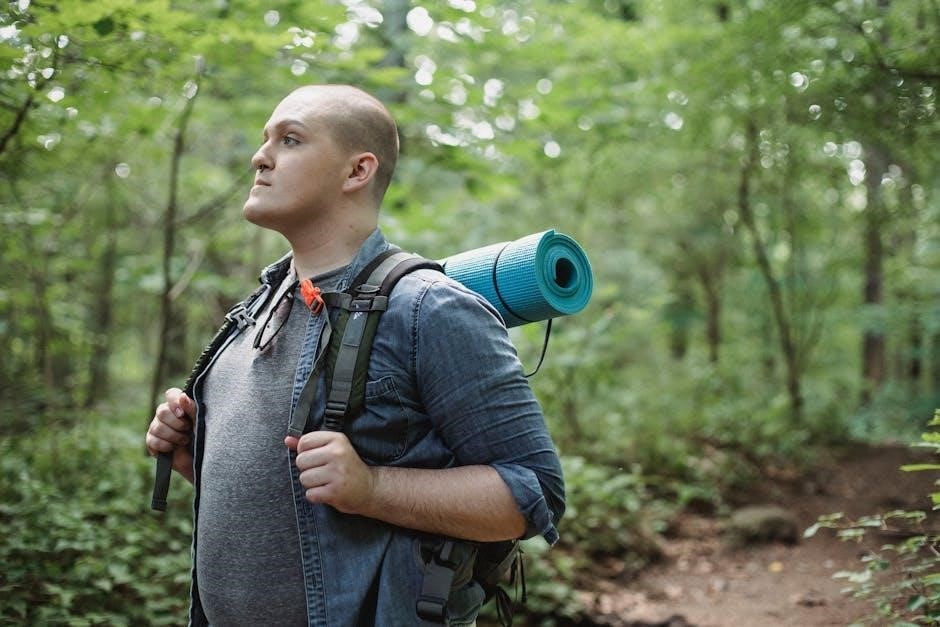
Day hiking backpacks, typically ranging from 20 to 35 liters, are designed for shorter excursions where you’ll return before nightfall. These packs prioritize comfort and accessibility, allowing easy access to essentials like water, snacks, rain gear, and first-aid kits. They’re streamlined, avoiding unnecessary bulk, and often feature dedicated pockets for hydration reservoirs.
A well-fitted daypack should comfortably carry everything needed for a day on the trails without feeling cumbersome. Look for features like adjustable straps, breathable back panels, and potentially a hip belt for added support, especially when carrying heavier loads. These packs are ideal for spontaneous adventures and planned day hikes alike.
Weekend Backpacks (30-50 Liters)
Weekend backpacks, falling within the 30-50 liter range, bridge the gap between day hikes and multi-day backpacking trips. They offer enough space for essential camping gear – a lightweight tent, sleeping bag, cooking supplies, and extra clothing – for one or two nights in the wilderness. These packs balance capacity with manageable weight, crucial for longer distances.
Features to consider include a robust suspension system for comfortable load carrying, multiple compartments for organization, and attachment points for trekking poles or other gear. A well-designed weekend pack will distribute weight effectively, minimizing strain during your adventure. They are versatile enough for both established campsites and more remote explorations.
Multi-Day Backpacking (50-75 Liters)
For trips lasting three to five days, a backpack in the 50-75 liter range is generally ideal. These packs provide ample space for extended food supplies, more substantial shelter, warmer clothing layers, and potentially specialized gear like bear canisters. Durability becomes paramount, as these backpacks endure more wear and tear.
Key features include a highly adjustable suspension system to fine-tune the fit with heavier loads, reinforced construction, and strategically placed pockets for easy access to frequently used items. Internal or external frame options cater to different preferences, impacting weight distribution and overall comfort. Careful packing and weight management are essential to maximize efficiency and minimize fatigue on the trail.
Extended Trips & Expedition Packs (70+ Liters)
Backpacks exceeding 70 liters are designed for expeditions lasting a week or more, or for individuals requiring substantial gear for specialized activities like mountaineering or winter camping. These packs offer maximum capacity for extensive food rations, bulky sleeping systems, technical equipment, and emergency supplies.
Robust construction and a highly supportive suspension are critical, as these packs routinely carry very heavy loads. Features often include multiple access points, extensive attachment options for external gear, and durable materials to withstand harsh conditions. Efficient packing and meticulous weight distribution are absolutely essential for maintaining balance and preventing injury on prolonged journeys.
Factors Influencing Backpack Size Choice
Selecting the right backpack hinges on trip duration, gear volume, body size, and weight considerations – all impacting comfort and efficient load carrying.
Trip Duration
The length of your adventure is a primary driver in backpack size selection. A short day hike necessitates a smaller pack, typically in the 20-35 liter range, sufficient for essentials like water, snacks, and a light jacket. Conversely, weekend trips demand more capacity – 30 to 50 liters – to accommodate overnight gear, extra clothing, and potentially a small cooking system.
For multi-day backpacking excursions, a 50-75 liter backpack becomes essential, providing ample space for food, shelter, and extended-trip necessities. Extended expeditions or longer journeys require the largest packs, exceeding 70 liters, to carry everything needed for prolonged self-sufficiency. Carefully assess the number of days you’ll be out and plan accordingly to avoid overpacking or, conversely, being unprepared.
Gear Volume & Type
Beyond trip length, the type and volume of your gear significantly influence backpack size. Bulky items like sleeping bags, tents, and cooking stoves require considerably more space than lightweight, minimalist setups. Gamers, for example, often need larger packs (25-35L) to safely transport laptops and peripherals, as highlighted by ROG’s Archer ErgoAir BP3800.
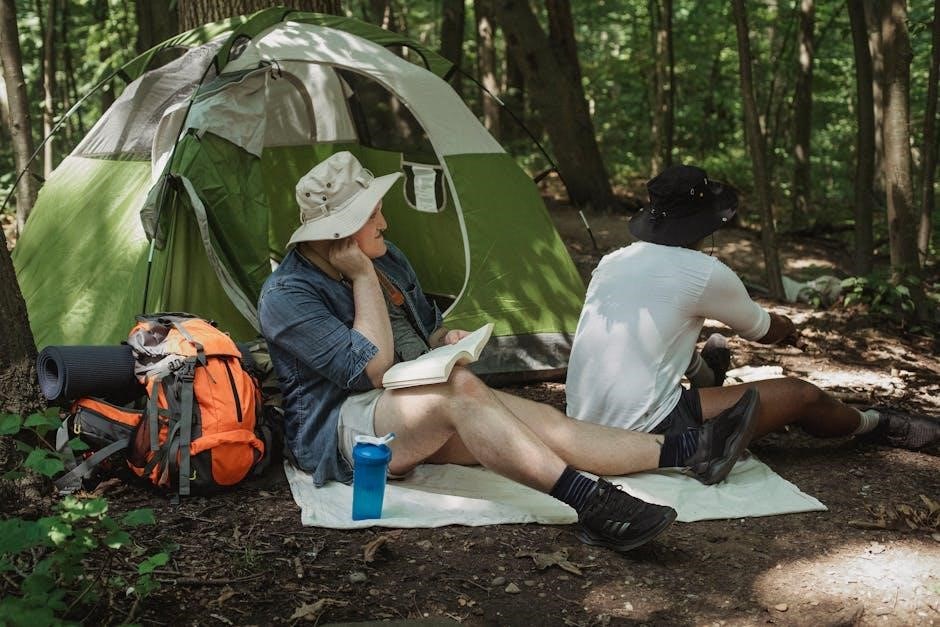
Consider whether you’re carrying specialized equipment – photography gear, climbing ropes, or winter clothing – which adds to the overall volume. Efficient packing and utilizing compression straps are helpful, but ultimately, the pack must be large enough to comfortably accommodate everything. Prioritize essential gear and choose a pack that matches your typical load, avoiding unnecessary bulk.
Your Body Size & Torso Length
A backpack’s fit is paramount for comfort and preventing strain. Your body size, particularly torso length, dictates the appropriate pack size. Backpacks aren’t one-size-fits-all; selecting a pack that’s too long or too short can lead to discomfort and inefficient load transfer.
Accurate torso measurement is crucial – a process involving measuring the distance from your C7 vertebra to your iliac crest. Manufacturers provide size charts correlating torso length to backpack size (Small, Medium, Large, etc.). Adjustable torso length features are beneficial, allowing for fine-tuning. Ignoring your body’s proportions can negate even the best pack design, impacting your overall experience.
Weight Considerations & Carrying Capacity
Understanding a backpack’s carrying capacity is vital, but equally important is considering your personal strength and fitness level. A larger volume pack doesn’t automatically mean you should fill it to the brim. Experts recommend keeping your pack weight to no more than 20% of your body weight for optimal comfort and safety.
Overloading a backpack strains your body, leading to fatigue and potential injury. Consider the weight of each item carefully, prioritizing lightweight gear whenever possible. A well-fitted pack with proper load distribution – utilizing the hip belt to transfer weight – significantly improves carrying comfort. Prioritize essential items and leave unnecessary luxuries behind to maintain a manageable load.
Measuring Your Torso Length

Accurate torso measurement is crucial for a comfortable fit; it determines the backpack size needed, ensuring proper weight distribution and preventing strain during travel.
How to Accurately Measure
Begin by standing straight with your feet shoulder-width apart. Locate your iliac crest – the top of your hip bones – and place a tape measure at this point. Then, find the prominent bone at the base of your neck, known as the C7 vertebra. This is easily felt when you tilt your head forward.
Have a friend assist you in extending the tape measure vertically from your iliac crest to your C7 vertebra. Ensure the tape remains straight and doesn’t curve around your body. Record the measurement in inches. Repeat this process a couple of times to confirm accuracy, as slight variations can occur.
Precise measurement is vital; even a small error can lead to an ill-fitting backpack. A properly fitted pack distributes weight effectively, enhancing comfort and reducing the risk of injury during hikes or travel. Don’t guess – measure carefully!
Torso Length & Backpack Size Charts
Once you’ve determined your torso length, consult a backpack size chart. Most manufacturers provide these charts, correlating torso length with recommended backpack sizes (Small, Medium, Large, etc.). Generally, a torso length of 16-19 inches corresponds to a Small size, 18-21 inches to Medium, and 20+ inches to Large.
However, these are merely guidelines. Variations exist between brands, so always check the specific chart for the backpack you’re considering. Some packs offer adjustable torso lengths, providing greater flexibility. Consider your build – broader shoulders might necessitate a larger size, even with a shorter torso measurement.
Prioritize a snug, comfortable fit over strictly adhering to the chart. A well-fitted backpack transfers weight to your hips, minimizing strain on your shoulders and back. Don’t hesitate to try on multiple sizes and adjust the straps for optimal comfort.
Backpack Features Affecting Size & Fit
Key features like adjustable torso length, hip belts, and frame types significantly impact how a backpack fits and feels, influencing overall carrying comfort.
Adjustable Torso Length
Finding a backpack with an adjustable torso length is crucial for optimal comfort and weight distribution. Backpacks aren’t one-size-fits-all; torso length, not height, determines the correct fit. Adjustable systems allow you to fine-tune the pack to match your unique anatomy, ensuring the load is properly transferred to your hips.
These systems typically involve sliding the shoulder harness up or down on the frame. Proper adjustment prevents the pack from pulling away from your back or digging into your shoulders. A well-fitted pack will sit comfortably, with the majority of the weight resting on your hips, not your shoulders. Ignoring torso length adjustments can lead to discomfort, strain, and even injury on longer trips. Prioritize packs offering this feature for a personalized and supportive carry.
Hip Belt & Load Transfer
The hip belt is arguably the most important component of a comfortable backpack. Its primary function is to transfer approximately 80% of the pack’s weight from your shoulders to your hips, which are better equipped to handle heavier loads. A properly fitted hip belt should wrap snugly around your iliac crest (hip bones) without being too tight or causing discomfort.
Effective load transfer relies on a well-padded hip belt and a frame that allows it to articulate with your body’s movements. Look for belts with adjustable buckles and padding to customize the fit. When adjusted correctly, you should feel the weight settled comfortably on your hips, reducing strain on your shoulders and back, ultimately enhancing your hiking or travel experience.
Frame Type (Internal vs. External)
Backpack frames significantly impact load distribution and stability. Internal frame packs are the most common, featuring a frame integrated within the pack itself. They offer a streamlined profile, hugging the back closely for better balance and maneuverability, ideal for varied terrain and activities like hiking and climbing.
External frame packs, once dominant, have a frame outside the bag. These excel at carrying extremely heavy, bulky loads, providing excellent ventilation due to space between the pack and your back. While less common now, they remain suitable for expedition-style trips or individuals needing to transport substantial gear. Choosing between the two depends on load weight, trip type, and personal preference regarding comfort and agility.
Compartmentalization & Accessibility
Effective compartmentalization is crucial for organized packing and quick access to essentials. Backpacks vary greatly in their internal layout, ranging from single large compartments to multiple pockets, dividers, and specialized sleeves. Consider your gear and how frequently you’ll need to reach specific items.
Top-loading backpacks are traditional, offering simplicity, while panel-loading designs mimic a suitcase, providing easier access to the entire contents. External pockets, hip belt pockets, and hydration sleeve compatibility enhance convenience. A well-designed backpack allows you to efficiently store and retrieve gear without unpacking everything, saving time and frustration on the trail or during travel.
Specific Backpack Sizes for Different Activities
Choosing the right backpack depends on the activity; gaming, school, travel, or commuting each benefit from specific sizes and features for optimal comfort.
Travel Backpacks (30-45 Liters)
For travelers seeking versatility, a 30-45 liter backpack strikes an excellent balance. These packs are generally carry-on compliant, avoiding checked baggage fees and potential loss; They offer ample space for clothing, toiletries, and essential travel documents for trips lasting several days to a week.
Look for features like lockable zippers, hidden pockets for valuables, and comfortable shoulder straps for navigating airports and cities. Internal organization is key, with compartments for electronics and quick-access items. Durable materials are crucial to withstand the rigors of travel. Many modern travel backpacks also incorporate features like water bottle holders and laptop sleeves, enhancing their functionality for the modern explorer.
Commuter Backpacks (20-30 Liters)
Designed for daily journeys to work or school, commuter backpacks typically range from 20 to 30 liters. This size provides sufficient space for essentials like a laptop, books, lunch, and a change of clothes. Prioritize comfort, as you’ll be carrying this pack regularly. Padded shoulder straps and a breathable back panel are essential.
Water resistance is a valuable feature to protect your belongings from unexpected weather. Dedicated laptop compartments, often padded and fleece-lined, are standard. Organization pockets for pens, keys, and other small items enhance usability. Reflective accents improve visibility during low-light commutes, increasing safety. Consider a streamlined design to navigate crowded spaces easily.
Gaming Backpacks (25-35 Liters)
Specifically engineered for gamers, these backpacks (25-35 liters) prioritize protecting valuable equipment. Robust padding is crucial for laptops, consoles, and peripherals. Look for dedicated compartments designed to securely hold these items, preventing damage during transport. The ASUS ROG Archer ErgoAir BP3800 exemplifies this focus, offering specialized organization.
Beyond protection, gaming backpacks often feature a sleek, modern aesthetic. Comfort is key for longer carries to LAN parties or events; ergonomic shoulder straps and back panels are vital. Additional pockets for accessories like headsets, chargers, and gaming mice are common. Durable, water-resistant materials safeguard against spills and the elements. Some models even include USB charging ports for devices on the go.
School Backpacks (20-30 Liters)
Ideal for students, school backpacks typically range from 20-30 liters, offering ample space for textbooks, notebooks, and essential supplies. Prioritize organization with multiple compartments to separate items effectively. A dedicated padded laptop sleeve is almost essential in today’s educational landscape, protecting valuable technology.
Comfort is paramount, as students often carry heavy loads. Look for backpacks with padded shoulder straps and a supportive back panel to minimize strain. Durability is also key, as these bags endure daily wear and tear. Water resistance can protect contents from unexpected showers. Consider features like external water bottle pockets and key clips for added convenience. Ergonomic designs promote good posture and reduce the risk of back pain.

Tips for Optimizing Backpack Space
Maximize efficiency using compression straps, packing cubes for organization, and by carefully selecting lightweight gear to reduce overall weight and bulk.
Compression Straps
Compression straps are invaluable tools for optimizing backpack space and stabilizing the load. These straps, typically found on the sides and sometimes across the bottom of a backpack, cinch down the contents, reducing the overall volume and preventing shifting during movement. This is particularly useful when a pack isn’t completely full, as it eliminates dead space and keeps items secure.
Effectively utilizing compression straps isn’t just about making the pack smaller; it’s about creating a more comfortable carry. By tightening the straps, you bring the weight closer to your back, improving balance and reducing strain. Different types of compression straps exist, from simple buckles to more advanced cam-lock systems, offering varying degrees of adjustability and holding power. Mastering their use is a key skill for efficient backpacking.
Packing Cubes & Organization
Packing cubes represent a revolutionary approach to backpack organization, transforming chaotic interiors into neatly arranged compartments. These fabric containers, available in various sizes, compartmentalize clothing, gear, and accessories, preventing items from becoming a tangled mess. This system streamlines packing and unpacking, making it easier to locate specific items without dismantling the entire pack.
Beyond convenience, packing cubes offer compression benefits, subtly reducing volume. Utilizing a consistent organizational system – dedicating cubes to shirts, pants, or toiletries – maximizes space and efficiency. Consider color-coding for quick identification. Proper organization isn’t merely aesthetic; it distributes weight evenly, enhancing comfort and reducing strain during hikes or travel. Investing in a set of quality packing cubes is a small price for significant gains in backpack usability.
Minimizing Gear Weight
Reducing the overall weight of your backpack is paramount for comfortable travel and efficient hiking. Every ounce adds up, impacting endurance and enjoyment. Begin by critically evaluating each item – is it truly essential? Opt for lightweight alternatives whenever possible, such as down versus synthetic insulation, or titanium cookware instead of stainless steel.
Consider multi-functional gear; a bandana can serve as a towel, head covering, or first-aid component. Share heavier items with travel companions. Carefully select clothing made from quick-drying, lightweight materials. Remember that minimizing weight doesn’t necessitate sacrificing safety or comfort, but rather prioritizing essential items and making informed choices about gear selection. A lighter pack translates to a more enjoyable experience.