
Honda Prelude Manual Gearbox: A Comprehensive Guide
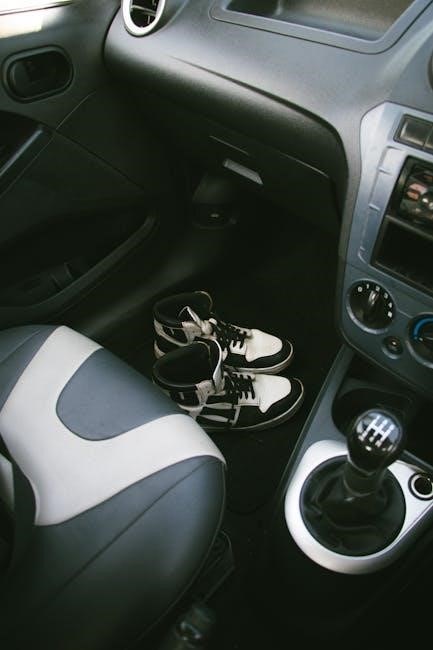
This guide delves into the intricacies of Honda Prelude manual transmissions, covering identification, common issues, maintenance, and repair options for enthusiasts․
The Honda Prelude, celebrated for its sporty handling and engaging driving experience, often featured a robust manual transmission system․ This introduction sets the stage for a detailed exploration of these gearboxes, vital for understanding the car’s performance characteristics․ Many Prelude enthusiasts specifically seek models equipped with a manual, valuing the direct control it offers․
Understanding the nuances of the Prelude’s manual transmission – its various iterations, potential weaknesses, and maintenance requirements – is crucial for both ownership and restoration․ Issues like slipping, grinding, or difficulty shifting can significantly detract from the driving pleasure․ This guide aims to equip owners and aspiring owners with the knowledge to diagnose, address, and prevent these problems, ensuring a long and enjoyable life for their Prelude’s gearbox․
Historical Overview of Prelude Manual Gearboxes
The Honda Prelude’s manual transmission evolution mirrored the car’s own development, starting with simpler designs in earlier generations and progressing to more sophisticated units․ Initial Preludes featured gearboxes focused on durability and smooth operation, reflecting the era’s engineering priorities․ As the Prelude gained a reputation for sporty handling, the transmissions were refined to handle increased power and offer quicker, more precise shifts․
Later generations, particularly the 4th and 5th, saw the introduction of closer-ratio gearsets and improved synchronizers, enhancing performance․ The move towards VTEC engines necessitated stronger transmission components to cope with the increased torque․ Understanding this historical progression is key to appreciating the differences between various Prelude manual gearbox models and their respective strengths and weaknesses, influencing repair and upgrade choices․
Common Prelude Manual Transmission Models
Several manual transmission variants equipped the Honda Prelude throughout its production run, each with unique characteristics․ Early models utilized simpler, robust designs, while later generations benefited from advancements in gear technology․ The 4th generation (1992-1996) often featured a 5-speed manual known for its durability, though synchro wear could occur with age․
The 5th generation (1997-2001) saw refinements, with some models receiving closer-ratio gearsets for improved acceleration․ Identifying the specific transmission code is crucial for parts compatibility․ Variations existed based on engine type (F22A, H22A, etc․)․ Knowing which transmission your Prelude has is vital for accurate diagnosis, repair, and selecting appropriate replacement parts, ensuring optimal performance and longevity․
4th Generation (1992-1996) Manual Transmissions
The 4th generation Honda Prelude’s manual transmissions, typically 5-speed units, are generally regarded as reliable, but exhibit common wear patterns with age․ Synchronizer wear, particularly in 2nd and 3rd gear, is frequently reported, leading to grinding during shifts․ The gearboxes are relatively straightforward in construction, making them accessible for DIY repairs for experienced mechanics․
However, finding replacement parts can become challenging due to the age of these vehicles․ Clutch life varies depending on driving style, but regular inspection is recommended․ These transmissions were paired with both the F22A and H22A engines, with slight variations in gear ratios․ Proper fluid maintenance is crucial to prolonging the lifespan of these older units․
5th Generation (1997-2001) Manual Transmissions
The 5th generation Honda Prelude predominantly featured a robust 5-speed manual transmission, designed to handle the increased power of the H22A engine․ While generally durable, these gearboxes aren’t immune to age-related issues․ Owners often report concerns with shift fork wear, contributing to imprecise shifting or difficulty engaging certain gears․ Synchronizer issues, similar to the 4th generation, can also occur, though potentially less frequently․
The “tip-tronic” option, a semi-automatic mode, was available, but is known for reliability concerns․ Maintaining correct transmission fluid levels and using the appropriate fluid type is vital․ Finding parts remains a challenge, and engine swaps, like the F22B/F22Z6, can introduce compatibility considerations․
Identifying Your Prelude’s Manual Transmission Code
Locating your Honda Prelude’s manual transmission code is crucial for sourcing the correct parts and understanding its specifications; This code isn’t prominently displayed like the VIN; it’s typically found stamped on the transmission casing itself․ Access requires lifting the vehicle and carefully inspecting the area – often near the bell housing or on a metal tag attached to the case․
The code will be a series of letters and numbers, providing details about the transmission’s internal gear ratios and manufacturing date․ Online Honda parts databases and enthusiast forums can help decode this information․ Knowing the code ensures compatibility when replacing components or performing a full transmission rebuild, especially after engine swaps․
Symptoms of a Failing Prelude Manual Gearbox
Recognizing the signs of a failing manual transmission in your Honda Prelude is vital for timely repair and preventing further damage․ Common indicators include difficulty shifting gears – feeling resistance or inability to select a gear smoothly․ Grinding noises during shifts, particularly when engaging first or reverse, are a strong warning sign of worn synchronizers․
Clutch-related symptoms can mimic transmission issues; slipping, a spongy pedal, or difficulty fully engaging the clutch should be investigated alongside transmission concerns․ Unusual vibrations or whining sounds emanating from the transmission area also suggest internal problems․ Ignoring these symptoms can lead to complete transmission failure and costly repairs․
Difficulty Shifting Gears
Experiencing resistance or an inability to smoothly select gears is a primary symptom of a failing Prelude manual gearbox․ This can manifest as a general stiffness across all gears, or specific gears becoming particularly challenging to engage․ Often, the issue worsens when the transmission is cold or hot, indicating temperature-related component expansion or contraction․
A common cause is worn synchronizers, which struggle to match the speeds of the gears during shifting․ Air in the hydraulic system (if applicable) can also contribute․ Difficulty shifting can also stem from a worn clutch, though this presents with additional symptoms․ Ignoring this issue can lead to forced shifts, causing further damage to internal components․
Grinding Noises During Shifts
A distinct grinding sound when attempting to shift gears is a strong indicator of internal transmission wear within your Honda Prelude’s manual gearbox․ This typically occurs when the synchronizers are failing to properly mesh the gears before full engagement․ The noise is most noticeable during shifts into second or third gear, but can affect all gears over time․
Worn or damaged gear teeth can also cause grinding, though this is usually accompanied by other symptoms․ Ignoring grinding noises will accelerate wear and potentially lead to complete gear failure․ It’s crucial to diagnose the source of the noise promptly, as continued driving can cause significant and costly damage to the transmission’s internal components․
Clutch Issues & Related Symptoms
Clutch problems often mimic manual transmission issues in a Honda Prelude, making accurate diagnosis essential․ Slipping clutches result in high engine RPMs without a corresponding increase in vehicle speed, a common symptom․ Difficulty engaging gears, especially first or reverse, can also point to clutch wear or hydraulic system problems․
A spongy or soft pedal feel suggests air in the hydraulic lines or a failing master/slave cylinder․ A clutch that sticks to the floor or is difficult to depress indicates a potential issue with the clutch cable (if equipped) or the release bearing․ Ignoring these symptoms can lead to complete clutch failure and potential damage to the flywheel and pressure plate․
Common Problems with Honda Prelude Manual Transmissions
Honda Prelude manual transmissions, while generally robust, are prone to specific issues with age and mileage․ Synchronizer wear is a frequent complaint, manifesting as grinding during gear changes, particularly second and third․ Shift fork bending or breakage can also occur, leading to difficulty selecting certain gears or a complete inability to shift․
Internal bearing failures contribute to whining noises, and worn seals can cause fluid leaks․ The F22B/F22Z6 engine swap, while popular, can introduce transmission compatibility challenges if not properly addressed․ Regular fluid checks and timely maintenance are crucial to mitigating these problems and extending the lifespan of your Prelude’s gearbox․

Addressing Automatic Transmission Issues (Contextual Relevance)
While focusing on manual gearboxes, understanding automatic transmission problems in the Prelude provides diagnostic context․ Slipping transmissions, indicated by high RPMs with minimal acceleration, often signal internal clutch wear – a symptom that, while different in a manual, highlights the importance of proper clutch engagement and fluid health․
Temperature-related transmission issues in automatics can prompt investigation into fluid viscosity and cooling systems, mirroring the need to use the correct fluid type in a manual gearbox․ Recognizing these automatic symptoms reinforces a holistic approach to drivetrain health, aiding in differentiating issues and ensuring accurate diagnosis even when dealing specifically with a manual transmission․
Slipping Transmission Symptoms (Relating to Manual Diagnosis)
Although distinct from manual gearbox failures, recognizing automatic transmission slip symptoms aids in differential diagnosis․ Increased RPMs without corresponding speed gains suggest a loss of power transfer, mirroring a worn clutch in a manual – though the mechanism differs․ A burning smell, indicative of clutch material overheating in an automatic, prompts investigation into potential friction surface damage, a concern also relevant to manual clutch wear․
Understanding these automatic symptoms helps rule out engine-related issues and focuses attention on the drivetrain․ While a manual won’t “slip” in the same way, awareness of these signs encourages a thorough inspection of the entire power delivery system, ensuring accurate identification of the root cause of performance issues․
Temperature-Related Transmission Problems (Potential for Manual Link)
While less direct, temperature sensitivity in automatic transmissions can offer clues relevant to manual gearbox health․ Reports of automatic Prelude transmissions exhibiting issues only when warm suggest fluid viscosity changes impacting hydraulic function․ This parallels how cold temperatures can increase manual transmission fluid thickness, making shifting difficult․ Though a manual lacks hydraulics, observing temperature-dependent automatic issues prompts checking manual fluid levels and condition․
Furthermore, excessive heat generated in either transmission type indicates increased friction․ In a manual, this could signal worn synchronizers or a dragging clutch․ Investigating automatic overheating issues necessitates a broader drivetrain assessment, potentially revealing underlying problems affecting both transmission types․
Manual Transmission Fluid: Types and Maintenance
Maintaining proper manual transmission fluid levels and condition is crucial for longevity․ Honda Preludes typically require GL-4 rated gear oil, differing from the GL-5 used in some other vehicles․ Using the incorrect fluid can damage synchronizers․ Viscosity recommendations vary; 75W-90 is a common choice, offering good cold-weather performance and protection․
Regular fluid changes – every 30,000 to 60,000 miles, or more frequently with aggressive driving – prevent wear and maintain smooth shifting․ Inspect fluid for metallic particles, indicating internal component damage․ A slight metallic sheen is normal, but large chunks signify a serious problem․ Always use a quality fluid from a reputable brand to ensure optimal performance and protection․
Changing the Manual Transmission Fluid
Properly changing your Honda Prelude’s manual transmission fluid requires specific steps․ First, warm up the transmission slightly for better flow․ Locate the drain and fill plugs – typically on the transmission’s side․ Using the correct size wrench, carefully drain the old fluid into a suitable container․ Inspect the drained fluid for metal shavings, a sign of internal wear․
Clean the drain plug and reinstall it with a new crush washer․ Then, using a pump or specialized filling tool, slowly fill the transmission with the recommended fluid until it reaches the fill plug opening․ Reinstall the fill plug․ Finally, verify the fluid level and test drive the vehicle, checking for leaks․
Synchronizer Issues and Repair
Synchronizers are crucial for smooth gear changes in your Honda Prelude’s manual transmission․ When they fail, you’ll experience grinding noises during shifts, particularly when downshifting․ Worn synchronizers often result from aggressive driving or infrequent fluid changes․ Repair typically involves a transmission rebuild, as accessing the synchronizers requires disassembly․
During a rebuild, each synchronizer is inspected for wear and replaced as needed, along with associated components like shift forks and blocking rings․ Quality replacement parts are essential for a lasting repair․ Ignoring synchronizer issues can lead to further damage to the gears themselves, increasing repair costs significantly․ A professional transmission shop is recommended for this complex task․
Shift Fork Problems and Solutions
Shift forks within the Honda Prelude’s manual transmission are responsible for engaging the correct gear․ Bent or broken shift forks commonly cause difficulty selecting specific gears or a complete inability to shift․ These issues often stem from forceful shifting, worn synchronizers placing excessive stress, or internal transmission damage․ Diagnosis usually requires a transmission disassembly inspection․
Solutions involve replacing the damaged shift fork(s) with new components․ It’s crucial to address the underlying cause of the fork failure, such as replacing worn synchronizers simultaneously, to prevent recurrence․ A complete transmission rebuild is often recommended alongside fork replacement to ensure all related parts are inspected and functioning correctly․ Proper lubrication during reassembly is also vital for smooth operation․
Clutch Replacement Procedure
Replacing the clutch on a Honda Prelude with a manual gearbox is a moderately complex procedure․ It begins with disconnecting the battery, draining the transmission fluid, and separating the driveshafts․ The exhaust system and linkage must be removed for access․ Then, disconnect the shift linkage, speedometer cable, and starter․ Support the engine and remove the transmission․
With the transmission removed, access the clutch assembly․ Inspect the flywheel for wear or damage; resurfacing or replacement may be necessary․ Remove the pressure plate and clutch disc․ Install the new clutch disc and pressure plate, ensuring proper alignment with a clutch alignment tool; Reassemble in reverse order, carefully torquing all bolts to specification․ Bleed the clutch hydraulic system after completion․
Gear Ratio Options and Their Impact
Honda Prelude manual transmissions offered varying gear ratios impacting performance and driving experience․ Shorter (numerically higher) ratios provide quicker acceleration but lower top speed, ideal for spirited driving and autocross․ Longer (numerically lower) ratios prioritize fuel efficiency and comfortable highway cruising, sacrificing initial acceleration․
The final drive ratio also plays a crucial role․ Common ratios include 4․25, 4․43, and 4․76․ A 4․76 final drive, paired with close-ratio gears, enhances responsiveness, while a 4․25 ratio offers a more relaxed driving style․ Swapping gearsets allows tailoring the transmission to specific needs, but requires careful consideration of engine characteristics and intended use․ Matching ratios to VTEC engagement points optimizes performance․
Finding Replacement Parts for Prelude Manual Gearboxes
Sourcing parts for older Honda Prelude manual transmissions requires diligence․ New Old Stock (NOS) parts are increasingly rare and expensive, often found through online auctions and Honda specialist retailers․ Used parts are more readily available from salvage yards and online marketplaces, but condition varies significantly․
Key components like synchronizers, shift forks, and bearings can be sourced from aftermarket suppliers specializing in Honda performance parts․ Forums and online communities are invaluable resources for locating hard-to-find items and receiving recommendations․ When purchasing used parts, thorough inspection is crucial․ Rebuilt transmissions offer a reliable alternative, providing a warranty and peace of mind, though at a higher cost․
Cost of Manual Transmission Repair vs․ Replacement
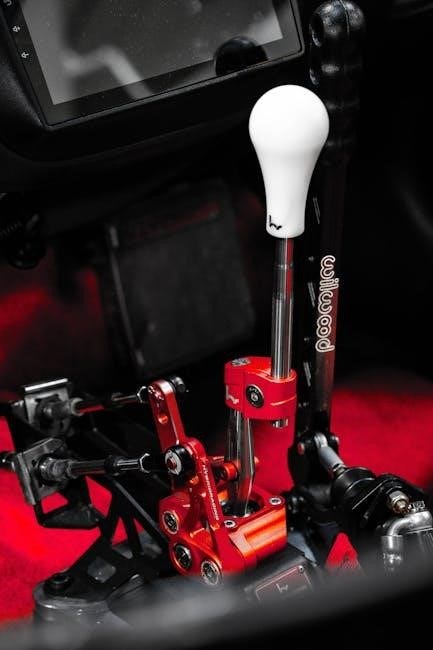
The financial aspect of addressing a failing Prelude manual gearbox varies greatly․ A basic repair, such as replacing a worn synchronizer or shift fork, can range from $500 to $1500, depending on labor rates and parts availability․ A complete rebuild, including all bearings, seals, and synchros, typically falls between $1500 and $3000․
Replacement with a used transmission can be cheaper upfront, costing between $800 and $2000 including installation, but carries inherent risk due to unknown condition․ A remanufactured transmission offers a middle ground, priced around $2500 to $4000 with a warranty․ Considering the engine swap context, compatibility and potential adapter requirements can add to the overall expense․
Engine Swap Considerations and Transmission Compatibility (F22B/F22Z6)
When swapping engines, particularly the F22B into a chassis originally equipped with the F22Z6, transmission compatibility becomes crucial․ While physically the transmissions can bolt up, issues often arise․ The F22B typically came with a stronger transmission, but adapting it to the Z6 chassis may require a different driveshaft or modifications to the shift linkage․
Previous owners have reported problems persisting after the swap, suggesting the transmission itself was the original source of the issue․ Ensure proper alignment and address any potential adapter plate needs․ Thoroughly inspect the transmission’s condition before and after the swap to avoid compounding problems․
The Future of Manual Transmissions in Honda Vehicles
The trend within Honda, and the automotive industry generally, leans away from manual transmissions․ Sadly, there’s officially no chance of a new Honda Prelude being offered with a manual gearbox, a disappointing reality for purists․ This shift reflects changing consumer preferences and the advancements in automatic transmission technology, like quicker shifts and improved fuel efficiency․
However, the enduring popularity of the Prelude, particularly the manual versions, demonstrates a continued desire for driver engagement․ While new Hondas may not offer a stick shift, preserving and restoring existing manual Preludes remains vital for enthusiasts, ensuring this engaging driving experience isn’t lost to time․
Resources for Honda Prelude Manual Transmission Information
Dedicated online communities are invaluable for Prelude owners seeking manual transmission knowledge․ A thriving forum community exists specifically for Honda Prelude enthusiasts, offering a platform for discussing performance modifications, engine builds, and troubleshooting manual gearbox issues․
These forums provide access to experienced members who can offer guidance on repairs, parts sourcing, and identifying transmission codes․ Beyond forums, various websites catalog common problems and potential solutions․ Utilizing these resources, alongside Honda’s official service manuals, empowers owners to maintain and repair their Prelude’s manual transmission effectively․
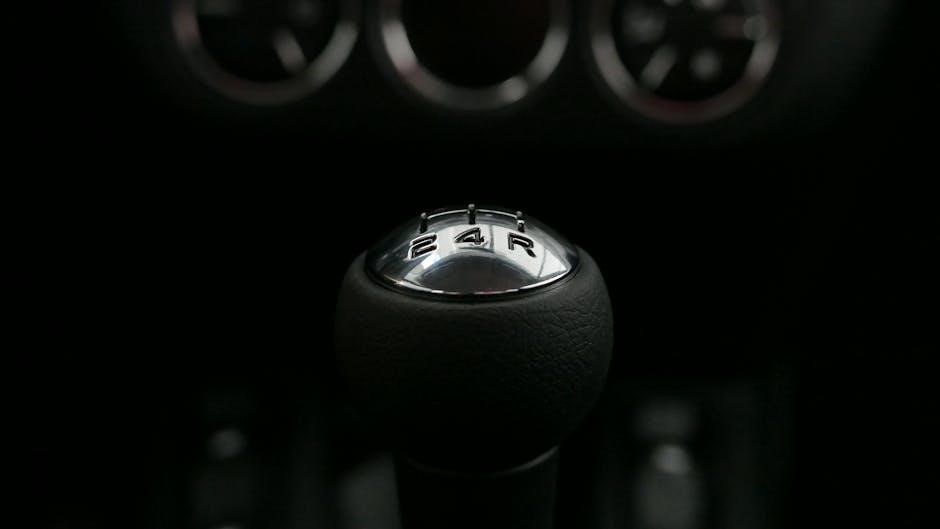
Prelude Manual Transmission Forums and Communities
Engaging with online communities is crucial for Prelude owners tackling manual transmission concerns․ A dedicated forum exists, fostering a space for enthusiasts to connect, share experiences, and seek advice regarding performance, modifications, and intricate engine builds․
These platforms are rich with knowledge concerning troubleshooting, maintenance, and the nuances of VTEC’s impact on transmission wear․ Members frequently discuss specific issues like slipping transmissions, grinding noises, and clutch problems․ Active participation allows owners to benefit from collective wisdom, locate rare parts, and gain insights into successful repair strategies, ensuring a vibrant support network for all Prelude manual transmission needs․
Preventative Maintenance for a Long-Lasting Manual Gearbox
Proactive maintenance is key to extending the life of your Honda Prelude’s manual transmission․ Regular manual transmission fluid changes, using the correct fluid type, are paramount – neglecting this leads to premature wear of synchronizers and gears․
Inspect clutch components for signs of wear and address issues promptly․ Pay attention to shifting quality; any emerging difficulty or grinding noises should be investigated immediately․ Consistent monitoring and addressing minor problems before they escalate will prevent costly rebuilds or replacements․ Prioritizing these steps ensures smooth operation and maximizes the longevity of your Prelude’s manual gearbox, preserving its driving enjoyment․
Troubleshooting Noises from the Manual Transmission
Unusual noises emanating from your Honda Prelude’s manual gearbox often signal underlying issues․ Grinding during shifts typically indicates worn synchronizers, demanding immediate attention to prevent further gear damage․
Whining sounds can point to low transmission fluid or worn bearings within the gearbox․ Clicking noises, especially during turns, might suggest failing CV joints, though these can sometimes mimic transmission sounds․ A thorough inspection, including fluid level checks and careful listening while operating the clutch and shifter, is crucial․ Identifying the noise’s source and characteristics helps pinpoint the problem, guiding repair efforts and preventing more extensive, costly failures․
Understanding VTEC and its Impact on Transmission Wear
Honda’s Variable Valve Timing and Lift Electronic Control (VTEC) system, while enhancing performance, can indirectly contribute to increased stress on the manual transmission․ The sudden power delivery during VTEC engagement creates higher torque loads, potentially accelerating wear on synchronizers and gears․
Aggressive driving styles that frequently utilize VTEC exacerbate this effect․ Regular maintenance, including timely transmission fluid changes with a high-quality lubricant, is vital to mitigate wear․ Drivers should also practice smooth shifting techniques to minimize shock loads․ Understanding this interplay between VTEC and transmission stress allows for proactive maintenance, extending the lifespan of your Prelude’s manual gearbox․
Final Thoughts on Honda Prelude Manual Transmissions
The Honda Prelude’s manual gearbox, when properly maintained, offers a rewarding and engaging driving experience․ Despite potential issues like synchronizer wear and shift fork problems, these transmissions are generally robust and capable of lasting many miles․
Proactive maintenance – regular fluid changes, careful shifting, and prompt attention to any developing symptoms – are key to longevity․ While replacement parts are becoming increasingly scarce, a dedicated community and resourceful suppliers remain available․ The absence of a manual option in future Prelude iterations underscores the importance of preserving and appreciating these classic transmissions․ Enjoy the connection and control a well-maintained Prelude manual gearbox provides!