
The 1995 GMC Sierra 1500’s transmission relies heavily on correct fluid; Dexron II/III was original, but Dexron VI offers modern compatibility.
Manual transmissions require specific GL-4 or GL-5 gear oil, ensuring optimal performance and longevity for your truck’s drivetrain.
Overview of the Vehicle and its Transmission
The 1995 GMC Sierra 1500, a robust full-size pickup, offered both automatic and manual transmission options; The automatic, frequently paired with a 4L60E, demanded Dexron II/III fluid for smooth operation. Manual transmissions, less common, utilized gear oil – either GL-4 or GL-5, depending on specifications.
Maintaining the correct fluid level and type is crucial. Slipping gears or harsh shifting can indicate fluid issues. Regular checks, as outlined in the owner’s manual, are vital for preventing costly repairs and ensuring the longevity of this dependable truck’s transmission system.
Importance of Correct Transmission Fluid
Correct transmission fluid is paramount for the 1995 GMC Sierra 1500’s longevity. Using the wrong fluid – whether Dexron, Mercon V, or incorrect gear oil for manuals – can lead to severe damage. Dexron II/III was original, but Dexron VI is often compatible.
Incorrect fluid causes slipping, harsh shifts, and overheating. Friction modifiers and viscosity are critical. Regular fluid checks, following the owner’s manual, prevent costly repairs. Maintaining proper fluid levels and type ensures smooth operation and extends the life of your truck’s transmission.
Identifying Your 1995 GMC Sierra 1500 Transmission
Locate transmission codes on the vehicle or in documentation to determine your 1995 GMC Sierra 1500’s type. Distinguish between automatic and manual transmissions for fluid selection.
Transmission Codes and Location
Identifying your 1995 GMC Sierra 1500’s transmission code is crucial for correct fluid selection. These codes are typically found on the transmission housing itself, often stamped into the metal. Look for a sticker or tag affixed to the transmission case, or directly on the body near the transmission.
The code will help pinpoint the original transmission type – whether it’s a 4L60E automatic or a manual variant. Consulting a GMC parts catalog or a trusted mechanic with access to vehicle history reports can also decode these numbers. Accurate identification ensures you use the appropriate fluid, safeguarding your transmission’s performance.
Determining Automatic vs. Manual Transmission
Distinguishing between an automatic and manual transmission on a 1995 GMC Sierra 1500 is straightforward. An automatic transmission lacks a clutch pedal, featuring only brake and accelerator pedals. A manual transmission will always have a third pedal – the clutch – located to the left of the brake pedal.
Visually, automatic transmissions generally have a more complex shifter with multiple positions (P, R, N, D, etc.), while manuals have a simpler, direct gear selection pattern. Confirming the transmission type is vital, as automatic and manual transmissions require drastically different fluids for proper operation and longevity.

Transmission Fluid Types for 1995 GMC Sierra 1500
For 1995 GMC Sierra 1500s, automatic transmissions typically use Dexron II/III or compatible Dexron VI fluids. Manual transmissions require GL-4 or GL-5 gear oil.
Dexron II/III Fluid – Original Specification
Dexron II/III was the originally specified automatic transmission fluid for the 1995 GMC Sierra 1500. This fluid type provides the necessary lubrication and hydraulic properties for smooth shifting and reliable operation of the 4L60E transmission commonly found in these trucks.
While still available, Dexron II/III is becoming increasingly difficult to source. Owners may find Dexron VI to be a suitable and readily available alternative, offering improved performance and compatibility. However, ensure complete fluid exchange when switching, avoiding mixing different fluid types. For manual transmissions, remember to utilize appropriate GL-4 or GL-5 gear oil.
Dexron VI Fluid – Modern Compatibility
Dexron VI is a fully synthetic automatic transmission fluid offering excellent compatibility with the 1995 GMC Sierra 1500’s transmission, despite not being the original specification. It provides enhanced oxidation stability, friction performance, and wear protection compared to Dexron II/III.
Brands like ACDelco and Valvoline offer Dexron VI options. When switching from Dexron II/III, a complete flush is recommended to avoid mixing. Remember, manual transmissions require different fluids – specifically GL-4 or GL-5 gear oil – and are not compatible with automatic transmission fluids like Dexron VI.
Mercon V Fluid – Potential Alternatives
Mercon V fluid is sometimes suggested as an alternative for the 1995 GMC Sierra 1500, offering similar properties to Dexron III. However, it’s crucial to verify compatibility, as not all transmissions respond favorably. Valvoline offers a Dexron VI/Mercon LV blend, potentially bridging the gap.
For manual transmissions, Mercon V is not a suitable substitute; they require GL-4 or GL-5 gear oil. Always consult your owner’s manual or a trusted mechanic before switching fluids to ensure proper lubrication and prevent potential damage to your transmission.

Understanding Transmission Fluid Specifications
Viscosity impacts fluid flow, while friction modifiers and additives protect gears. Manual transmissions need specific GL-4 or GL-5 oil standards for optimal performance.
Viscosity and its Impact
Viscosity, the fluid’s resistance to flow, is crucial for a 1995 GMC Sierra 1500’s transmission. Lower viscosity allows easier cold-weather shifting, while higher viscosity provides better film strength at operating temperatures.
For automatic transmissions utilizing Dexron fluids, maintaining the correct viscosity ensures proper hydraulic operation of clutches and torque converters. Manual transmissions, employing GL-4 or GL-5 gear oils, require specific viscosity grades to adequately lubricate gears and synchronize mesh, preventing wear and ensuring smooth shifting.
Incorrect viscosity can lead to slippage, reduced efficiency, and ultimately, transmission failure.
Friction Modifiers and Additives
Transmission fluids for the 1995 GMC Sierra 1500 contain vital friction modifiers and additives. These components minimize wear, reduce shudder during shifts, and enhance overall transmission performance. Dexron fluids include additives to control foam, prevent oxidation, and inhibit corrosion.
For manual transmissions using GL-4 or GL-5 gear oils, extreme pressure (EP) additives are essential for protecting gears under heavy loads. These additives form a protective film, preventing metal-to-metal contact. Maintaining the correct additive package is critical for longevity.
Degraded fluid loses additive effectiveness.

Checking Your 1995 GMC Sierra 1500 Transmission Fluid Level
Locate the dipstick, check fluid with the engine running and in park. Proper levels ensure smooth operation; observe color and condition for signs of degradation or contamination.
Locating the Transmission Dipstick
Identifying the transmission dipstick on your 1995 GMC Sierra 1500 is crucial for accurate fluid level checks. Typically, it’s a brightly colored handle, often red or yellow, located towards the rear of the engine compartment.
Look for a dipstick marked specifically for transmission fluid – it won’t be the engine oil dipstick. It’s usually positioned near the transmission itself. Ensure the engine is warm, but not hot, before attempting to locate and remove the dipstick for inspection.
Consult your owner’s manual for a precise diagram if needed.
Proper Fluid Level Checking Procedure
To accurately check your 1995 GMC Sierra 1500’s transmission fluid, start with a warm engine, then locate and remove the dipstick. Wipe it clean with a lint-free rag, reinsert it fully, and remove it again.
Observe the fluid level on the dipstick; it should fall between the “Min” and “Max” or “Hot” and “Cold” marks. Ensure the vehicle is on level ground for an accurate reading. Note the fluid’s color and condition – bright red is good, dark or burnt indicates a problem.
Interpreting Fluid Color and Condition
Examining your 1995 GMC Sierra 1500’s transmission fluid provides vital clues about its health. Bright red fluid generally indicates it’s relatively new and in good condition. Pinkish fluid is also acceptable, suggesting it’s still effective.
However, dark brown or black fluid signals oxidation and potential contamination, requiring a fluid change. A burnt smell or the presence of metal shavings indicates severe internal damage, potentially necessitating transmission repair or replacement. Consistent monitoring is key.
Changing Your 1995 GMC Sierra 1500 Transmission Fluid
A 1995 GMC Sierra 1500 fluid change requires the correct Dexron II/III or VI for automatics, and appropriate gear oil for manuals, along with essential tools.
Tools and Materials Required
For a 1995 GMC Sierra 1500 transmission fluid change, gather essential tools. You’ll need the correct Dexron II/III or VI automatic transmission fluid, or the appropriate GL-4/GL-5 gear oil for manual transmissions.
A socket wrench set, drain pan, funnel, and fluid pump are crucial. New filter (if applicable), a torque wrench, gloves, safety glasses, and shop towels are also necessary. Ensure you have a container for disposing of the old fluid responsibly, adhering to local regulations.
Step-by-Step Fluid Change Procedure
Begin by warming the 1995 GMC Sierra 1500’s transmission. Locate the drain plug and carefully remove it, allowing the fluid to drain completely into a pan. Replace the filter if accessible. Reinstall the drain plug, tightening to the manufacturer’s specification.
Using a funnel, add the correct amount of Dexron or gear oil, checking the level with the dipstick (automatic) or fill plug (manual). Start the engine, cycle through gears, and recheck the fluid level. Properly dispose of the old fluid.
Filter Replacement During Fluid Change
Replacing the filter during a 1995 GMC Sierra 1500 transmission fluid change is crucial for optimal performance. Locate the filter, often accessible via the transmission pan. Carefully remove the pan, noting the filter’s position and gasket.
Install the new filter, ensuring a proper seal with a new gasket. Clean the pan thoroughly before reinstalling it with fresh fluid. This process removes contaminants, extending transmission life. For manual transmissions, filter replacement isn’t typical, but inspect breathers.

Potential Issues with Incorrect Fluid
Using the wrong fluid in your 1995 GMC Sierra 1500 can cause slipping gears, harsh shifting, and overheating. Proper fluid is vital for smooth operation and longevity.
Slipping Gears
Slipping gears in your 1995 GMC Sierra 1500 often signal insufficient friction within the transmission. This commonly arises from using degraded or incorrect transmission fluid. The fluid’s friction modifiers are crucial for the clutch packs to engage properly.
When these modifiers are depleted, or the wrong fluid is used, the clutches can’t hold, resulting in the engine revving without a corresponding increase in speed. This issue progressively worsens, potentially leading to complete transmission failure if left unaddressed. Regular fluid checks and timely changes are essential preventative measures.
Harsh Shifting
Harsh shifting in a 1995 GMC Sierra 1500 indicates a problem with the transmission’s hydraulic pressure or clutch engagement. Incorrect or old transmission fluid is a frequent culprit. The fluid’s viscosity and additives are vital for smooth gear transitions.
Degraded fluid can’t provide adequate cushioning or lubrication, causing abrupt shifts. Using the wrong fluid type, like mixing Dexron variants improperly, can also contribute. This issue can damage internal components over time, so prompt attention and fluid correction are crucial for maintaining transmission health.
Transmission Overheating
Transmission overheating in a 1995 GMC Sierra 1500 is a serious concern, often linked to improper transmission fluid. The fluid’s primary role is to dissipate heat generated by friction within the transmission. When fluid is old, contaminated, or the incorrect type, its cooling capacity diminishes.
This leads to increased temperatures, potentially damaging seals, clutches, and other vital components. Dexron II/III or compatible Dexron VI fluids are essential for proper heat management. Overheating can cause slipping, harsh shifting, and ultimately, transmission failure, necessitating immediate attention.
Recommended Brands of Transmission Fluid
ACDelco Dexron VI, Valvoline Dexron VI/Mercon LV, and O’Reilly Synthetic Automatic Transmission Fluid Dexron VI are trusted choices for your 1995 GMC Sierra 1500.
ACDelco Dexron VI
ACDelco Dexron VI is a fully synthetic automatic transmission fluid engineered for modern transmissions, yet often compatible with older systems like the 1995 GMC Sierra 1500. It provides exceptional oxidation stability, helping to prevent sludge and varnish buildup, crucial for maintaining smooth shifting and extending transmission life.
This fluid offers enhanced frictional durability and wear protection, safeguarding vital components. While originally designed for newer vehicles, its backward compatibility makes it a reliable choice for owners seeking a high-quality, long-lasting fluid for their classic GMC truck. Always verify compatibility with your specific transmission type.
Valvoline Dexron VI/Mercon LV
Valvoline Dexron VI/Mercon LV is a full synthetic automatic transmission fluid offering broad compatibility, including potential use in the 1995 GMC Sierra 1500. It’s formulated to meet the demanding requirements of both Dexron VI and Mercon V specifications, providing excellent performance and protection.
This fluid delivers superior resistance to oxidation, thermal breakdown, and wear, contributing to extended transmission life and smoother operation. Its multi-vehicle application makes it a convenient option, but always confirm suitability for your specific transmission before use, especially with older vehicles.
O’Reilly Synthetic Automatic Transmission Fluid Dexron VI
O’Reilly Synthetic Automatic Transmission Fluid Dexron VI presents a readily available option for 1995 GMC Sierra 1500 owners seeking a modern, full synthetic fluid. It’s engineered to meet or exceed Dexron VI specifications, offering enhanced protection against wear, oxidation, and high temperatures.
This fluid’s synthetic base provides superior stability and performance compared to conventional fluids, potentially extending transmission life. While designed for newer transmissions, it may be compatible with older models – always verify suitability with your vehicle’s manual or a trusted mechanic before use.
Manual Transmission Fluid Specifics (If Applicable)
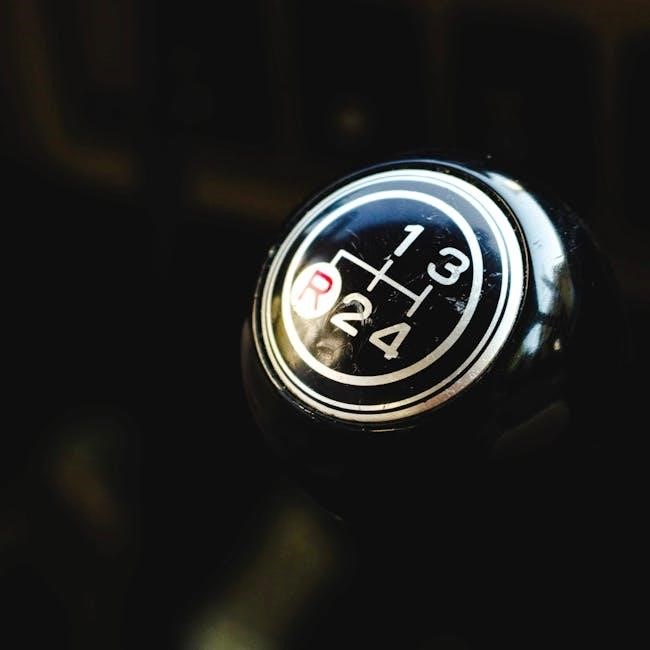
Manual transmissions in the 1995 GMC Sierra 1500 necessitate GL-4 or GL-5 gear oil, differing from automatic fluid. Selecting the correct type is crucial for smooth shifting and durability.
Identifying Manual Transmission Fluid Requirements
Determining the correct manual transmission fluid for your 1995 GMC Sierra 1500 is vital for optimal performance and preventing damage. Unlike automatic transmissions utilizing Dexron fluids, manual transmissions require gear oil classified as either GL-4 or GL-5. GL-4 fluids generally offer better compatibility with yellow metals commonly found in older transmissions, while GL-5 provides enhanced extreme pressure protection.
Consult your owner’s manual or a trusted service guide to confirm the specific recommendation for your truck. Using the incorrect fluid can lead to premature wear, shifting difficulties, and ultimately, transmission failure. Always prioritize the manufacturer’s specifications.
GL-4 vs. GL-5 Gear Oil
GL-4 and GL-5 gear oils differ significantly in their additive packages. GL-4 contains less phosphorus and sulfur, making it safer for transmissions with brass or bronze synchronizers, common in older vehicles like the 1995 GMC Sierra 1500. GL-5, designed for hypoid gears, boasts higher extreme pressure additives, offering superior protection for heavily loaded axles.
However, the increased sulfur content in GL-5 can corrode yellow metals. Therefore, if your manual transmission specifically calls for GL-4, avoid using GL-5. Incorrect fluid choice can lead to costly repairs and diminished transmission lifespan.
Troubleshooting Transmission Problems Related to Fluid
Incorrect fluid in your 1995 GMC Sierra 1500 manual transmission can cause shifting issues or damage. Diagnose carefully, and seek professional help if problems persist.
Diagnosing Fluid-Related Issues
Diagnosing transmission problems stemming from incorrect fluid in your 1995 GMC Sierra 1500 requires careful observation. Begin by checking for slipping gears during acceleration, a common symptom. Harsh or delayed shifting is another indicator, alongside unusual noises.
Inspect the fluid itself – a burnt smell or dark, gritty texture suggests contamination or overheating. For manual transmissions, verify the correct GL-4 or GL-5 oil is present. If issues persist despite fluid checks, a professional diagnosis is crucial to prevent further damage.
When to Seek Professional Help
Determining when to consult a mechanic regarding your 1995 GMC Sierra 1500’s transmission is vital. If fluid checks don’t resolve slipping gears, harsh shifting, or unusual noises, professional intervention is needed. Ignoring these signs can lead to extensive, costly repairs.
For manual transmissions, difficulty engaging gears or grinding sounds warrant immediate attention. A qualified technician can accurately diagnose the issue, whether it’s fluid-related or a more significant mechanical problem, ensuring proper repair and preventing further damage to your drivetrain.

Maintaining Your Transmission for Longevity
Regular transmission fluid checks, alongside avoiding aggressive driving, are crucial for a long-lasting 1995 GMC Sierra 1500 transmission. Proper maintenance prevents costly repairs!
Regular Fluid Checks
Consistent monitoring of your 1995 GMC Sierra 1500’s transmission fluid is paramount for preventative maintenance. Check the fluid level monthly, utilizing the dipstick while the engine is warm and idling in park.
Observe the fluid’s color and condition; bright red indicates good health, while dark or burnt fluid signals potential issues. For manual transmissions, inspect for leaks around the gearbox and check the fluid level via the fill plug. Addressing minor fluid loss promptly can prevent significant transmission damage and extend its lifespan considerably.
Avoiding Harsh Driving Habits
Prolonging your 1995 GMC Sierra 1500’s transmission life necessitates mindful driving practices. Avoid aggressive acceleration, sudden braking, and frequent shifting between drive and reverse. These actions generate excessive heat and stress on the transmission components.
For manual transmissions, smooth clutch engagement and avoiding “riding” the clutch are crucial. Minimize towing heavy loads beyond the vehicle’s capacity, as this strains the drivetrain. Gentle driving habits contribute significantly to reduced wear and tear, ultimately preserving transmission functionality and reliability.
Common Questions and Answers
Can Dexron fluids mix? Generally, yes, but avoid prolonged use of mixtures. How often to change fluid? Every 30,000-60,000 miles is recommended for optimal performance.
Can I mix different types of Dexron fluid?
Mixing Dexron fluids is generally permissible in a pinch, but it’s not ideal for long-term transmission health. While Dexron II/III and Dexron VI are compatible to a degree, prolonged use of a mixture isn’t recommended.
Dexron VI is backward compatible, meaning it can be used in systems originally calling for Dexron II/III, but avoid consistently topping off Dexron VI with older fluid.
It’s best practice to fully flush and refill with the recommended fluid type when possible, ensuring consistent lubrication and additive performance.
How often should I change my transmission fluid?
For a 1995 GMC Sierra 1500, transmission fluid change intervals depend on driving conditions. A general guideline suggests every 30,000 to 60,000 miles for normal use. However, if you frequently tow, haul heavy loads, or drive in severe conditions, shorten this interval to 30,000 miles.
Regular fluid checks are crucial; monitor color and condition. Dark, burnt-smelling fluid indicates a need for a change. Ignoring this can lead to costly transmission repairs. A complete flush and filter replacement are recommended during each fluid change.