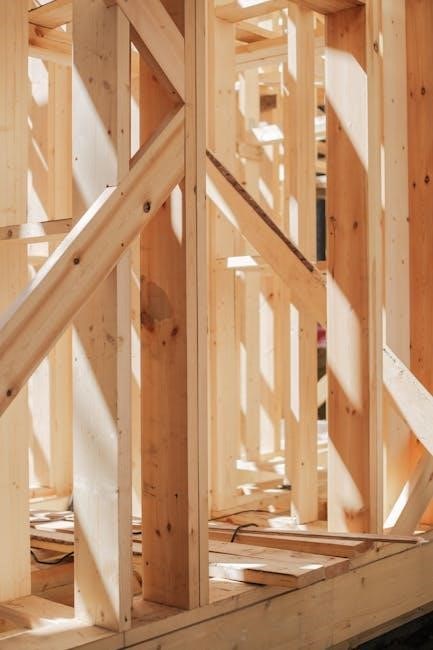
Beginner’s Guide to Eco Renovation
Embarking on an eco-renovation journey transforms homes sustainably‚ reducing environmental impact and offering long-term benefits. It’s a smart upgrade‚ improving comfort and lowering costs.
What is Eco Renovation?
Eco-renovation‚ at its core‚ represents a mindful approach to home improvement‚ prioritizing sustainability and minimizing environmental impact. It extends beyond simply updating aesthetics; it’s about making conscious choices throughout the entire renovation process. This encompasses selecting sustainable materials‚ enhancing energy efficiency‚ conserving water‚ and responsibly managing waste.
Unlike conventional renovations‚ eco-renovations actively seek to reduce a home’s carbon footprint. This is achieved through strategies like utilizing reclaimed or recycled materials‚ opting for low-VOC paints and finishes‚ and installing energy-efficient windows and appliances. It’s about creating a healthier indoor environment‚ reducing reliance on non-renewable resources‚ and contributing to a more sustainable future.
Essentially‚ eco-renovation is a holistic approach that considers the entire lifecycle of building materials and systems. It’s a commitment to responsible building practices‚ benefiting both homeowners and the planet. It’s a pivotal opportunity to address environmental challenges by minimizing resource depletion and waste.
Why Choose Eco Renovation?
Choosing eco-renovation offers a compelling blend of personal and planetary benefits. Beyond the ethical appeal of reducing your environmental footprint‚ these renovations deliver significant long-term value. Eco-friendly upgrades often translate into substantial cost savings through reduced energy and water consumption‚ making them a financially sound investment.
Furthermore‚ eco-renovations enhance indoor air quality by utilizing low-VOC materials‚ creating a healthier living environment for you and your family. They also increase a home’s market value‚ as sustainable features are increasingly sought after by environmentally conscious buyers. It’s no longer just a trend; it’s a smart‚ sustainable way to upgrade your home.
Ultimately‚ opting for eco-renovation demonstrates a commitment to responsible living and contributes to a more sustainable future. It’s a proactive step towards minimizing resource depletion‚ reducing waste‚ and fostering a healthier planet for generations to come.
Benefits of Eco-Friendly Renovations
Eco-friendly renovations unlock a wealth of advantages‚ extending far beyond simple aesthetic improvements. A primary benefit is reduced utility bills‚ stemming from enhanced energy efficiency through better insulation‚ windows‚ and appliances. Water conservation strategies‚ like low-flow fixtures‚ further contribute to cost savings and resource preservation.
Improved indoor air quality is another significant advantage‚ achieved by using low-VOC paints and finishes‚ minimizing harmful chemical exposure. These renovations also boost a home’s resale value‚ attracting buyers willing to pay a premium for sustainable features. Moreover‚ embracing eco-practices minimizes your carbon footprint‚ contributing to a healthier planet.
Finally‚ eco-renovations often lead to increased home comfort‚ creating a more pleasant and healthy living space. They represent a responsible investment in both your property and the environment‚ offering long-term rewards.
Cost Savings with Eco Renovations
Eco-renovations‚ while initially requiring investment‚ deliver substantial long-term cost savings. Upgrading insulation dramatically reduces heating and cooling expenses‚ while energy-efficient windows minimize energy loss. Switching to low-flow fixtures significantly lowers water bills‚ conserving a precious resource.
Investing in smart home technology for energy management provides precise control over consumption‚ further optimizing savings. Utilizing reclaimed or recycled materials can lower upfront material costs‚ and often qualify for tax incentives or rebates. Reduced waste during renovation‚ through deconstruction and responsible disposal‚ also minimizes landfill fees.
Ultimately‚ the initial investment in eco-friendly upgrades pays for itself over time through lower utility bills and increased property value‚ making it a financially sound decision.
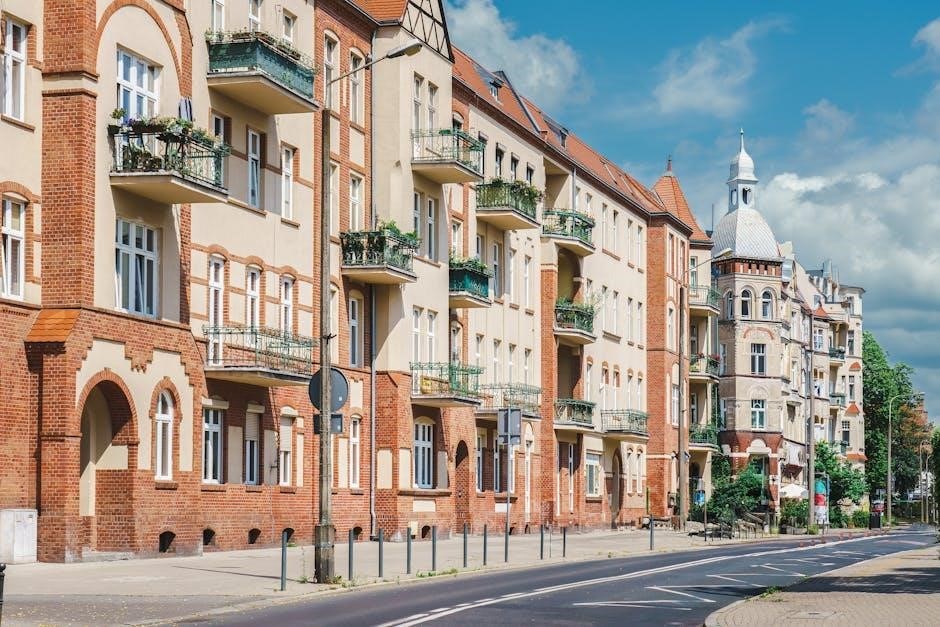
Planning Your Eco Renovation
Careful planning is crucial for a successful eco-renovation‚ involving defining project scope‚ creating detailed checklists‚ and establishing a realistic budget breakdown for materials.
Defining the Scope of Your Project
Before diving into your eco-renovation‚ clearly define the project’s scope. This initial step is paramount for staying on track‚ both financially and logistically. Begin by identifying what you want to achieve – is it a full-house overhaul‚ a kitchen remodel‚ or simply upgrading insulation?
Consider the extent of the work involved. Will you be altering structural elements‚ or focusing on cosmetic changes? A detailed scope definition prevents “scope creep‚” where the project expands beyond its initial boundaries‚ leading to increased costs and delays.
Prioritize areas with the greatest potential for environmental impact and cost savings. For example‚ improving insulation and upgrading to energy-efficient windows often yield significant returns. Document everything – create a written outline detailing each task‚ material‚ and expected outcome. This serves as your roadmap throughout the renovation process‚ ensuring a focused and efficient transformation of your home.
Creating a Detailed Renovation Checklist
A comprehensive renovation checklist is your project’s backbone‚ ensuring no crucial step is overlooked. Begin by breaking down the defined scope into smaller‚ manageable tasks. Include everything from demolition and material sourcing to installation and final inspections.
Categorize tasks – electrical‚ plumbing‚ carpentry‚ painting‚ etc. – for better organization. Detail specific materials needed for each task‚ noting sustainable alternatives where possible. Don’t forget permits and inspections; research local requirements and schedule accordingly.
Integrate waste management into your checklist‚ planning for deconstruction‚ responsible disposal‚ and material donation. Assign timelines to each task‚ creating a realistic project schedule. Regularly update the checklist as the renovation progresses‚ marking completed items and adjusting timelines as needed. A well-maintained checklist minimizes errors‚ reduces stress‚ and keeps your eco-renovation on course.
Budget Breakdown for Eco Renovations
A detailed budget is crucial for a successful eco-renovation. Start by itemizing all anticipated costs: demolition‚ materials (prioritizing sustainable options)‚ labor‚ permits‚ and potential unexpected expenses – allocate 10-20% for these.
Separate costs by project phase (e.g.‚ kitchen‚ bathroom‚ insulation). Research material prices‚ comparing conventional versus eco-friendly alternatives. Remember that some eco-materials may have a higher upfront cost but offer long-term savings through energy efficiency.
Factor in potential rebates or tax incentives for green upgrades. Prioritize essential upgrades with the biggest impact on energy and water savings. Track expenses meticulously throughout the renovation‚ comparing actual costs to your budget. Regularly review and adjust the budget as needed‚ ensuring financial control and preventing overspending.
Prioritizing Essential Upgrades
When embarking on an eco-renovation‚ prioritizing upgrades maximizes impact and return on investment. Begin with insulation – a well-insulated home drastically reduces energy consumption. Next‚ focus on energy-efficient windows and doors to minimize heat loss and gain.
Upgrading to low-flow fixtures in bathrooms and kitchens conserves water. Consider energy-efficient appliances‚ especially those with Energy Star ratings. Addressing water heating efficiency‚ perhaps with a tankless water heater‚ offers significant savings.
These essential upgrades deliver substantial long-term benefits‚ reducing utility bills and your carbon footprint. While cosmetic changes are appealing‚ prioritize improvements that directly address energy and water usage. A phased approach allows you to tackle upgrades strategically‚ aligning with your budget and goals.

Eco-Friendly Materials
Selecting sustainable materials—reclaimed wood‚ recycled content‚ and low-VOC options—minimizes environmental impact and promotes healthier indoor air quality during renovations.
Sustainable Building Materials Options
Choosing the right materials is central to eco-renovation. Consider bamboo‚ a rapidly renewable resource‚ excellent for flooring and paneling. Reclaimed wood‚ sourced from old buildings or structures‚ offers character and reduces deforestation. Cork flooring is another fantastic option – naturally renewable‚ comfortable underfoot‚ and hypoallergenic.
For insulation‚ explore sheep’s wool‚ recycled denim‚ or cellulose‚ all offering excellent thermal performance with a lower environmental footprint than traditional fiberglass; When selecting concrete‚ look for options incorporating recycled aggregates or supplementary cementitious materials.
Beyond these‚ investigate materials like straw bales for wall construction (though requiring specialized expertise) and locally sourced stone. Prioritize materials with Environmental Product Declarations (EPDs) which transparently detail their lifecycle environmental impacts. Remember‚ sustainable doesn’t mean sacrificing quality; many eco-friendly options are incredibly durable and aesthetically pleasing‚ contributing to a healthier and more responsible home.
Reclaimed and Recycled Materials
Embracing reclaimed and recycled materials significantly reduces your renovation’s environmental impact. Salvaged wood‚ from deconstructed buildings‚ adds unique character and avoids deforestation. Architectural salvage yards are treasure troves for doors‚ windows‚ fixtures‚ and even entire staircases.

Recycled content materials‚ like glass countertops or tiles made from recycled glass‚ divert waste from landfills. Look for flooring options incorporating recycled rubber or plastic. Even insulation can be sourced from recycled denim or newspaper (cellulose).
Using these materials isn’t just eco-friendly; it often adds a distinctive aesthetic. Thoroughly inspect reclaimed materials for structural integrity and potential hazards. Responsible sourcing is key – ensure materials are obtained legally and ethically. Donating usable materials from your demolition also contributes to the circular economy‚ keeping valuable resources in use and reducing waste.
Low-VOC Paints and Finishes
Traditional paints and finishes often release volatile organic compounds (VOCs)‚ harmful chemicals that contribute to indoor air pollution and can pose health risks. Choosing low-VOC or zero-VOC alternatives is a crucial step in eco-renovation‚ improving indoor air quality for you and your family.
Low-VOC paints utilize water-based formulas and natural pigments‚ minimizing off-gassing. Look for certifications like Green Seal or GREENGUARD‚ verifying low chemical emissions. These paints are now widely available in various colors and finishes‚ offering performance comparable to conventional options.
Extend this principle to other finishes – opt for natural oils‚ waxes‚ and stains instead of solvent-based products. Consider clay paints or milk paints for a truly eco-friendly and breathable wall finish. Proper ventilation during application is still recommended‚ even with low-VOC products‚ to ensure a healthy environment.
Eco-Friendly Flooring Choices
Flooring significantly impacts a home’s environmental footprint‚ from material sourcing to manufacturing processes. Fortunately‚ numerous eco-friendly options exist‚ offering style and sustainability. Bamboo‚ a rapidly renewable resource‚ is a popular choice‚ known for its durability and aesthetic appeal.
Cork flooring‚ harvested from the bark of cork oak trees without harming the tree‚ provides excellent insulation and sound absorption. Linoleum‚ made from natural materials like linseed oil and wood flour‚ is another sustainable option‚ offering a classic look and longevity.
Consider reclaimed wood flooring‚ diverting materials from landfills and adding character to your space. For carpets‚ choose those made from natural fibers like wool or sisal‚ avoiding synthetic materials. When selecting flooring‚ prioritize sustainably sourced materials and low-VOC adhesives and finishes.

Energy Efficiency Improvements
Boosting energy efficiency reduces consumption and costs. Upgrading insulation‚ windows‚ and doors minimizes heat loss‚ while smart technology optimizes energy management within your home.
Insulation Upgrades
Proper insulation is foundational to an energy-efficient home‚ significantly reducing heating and cooling costs. Existing homes often lack adequate insulation‚ presenting a prime opportunity for improvement during renovation. Consider various insulation types‚ each with unique properties and environmental impacts.
Fiberglass is a common and relatively affordable option‚ but recycled content fiberglass offers a more sustainable choice. Cellulose insulation‚ made from recycled paper‚ provides excellent thermal performance and is environmentally friendly. Spray foam insulation creates an airtight seal‚ maximizing energy savings‚ though it can be more expensive.
When upgrading‚ focus on key areas: attics‚ walls‚ floors‚ and crawl spaces. Ensure proper installation to avoid gaps and compression‚ which diminish effectiveness. Addressing air leaks alongside insulation is crucial; sealing cracks and openings prevents drafts and further enhances energy efficiency. Investing in high-quality insulation is a long-term investment‚ yielding substantial savings and a more comfortable living environment.
Energy-Efficient Windows and Doors
Replacing old windows and doors with energy-efficient models dramatically reduces energy loss and improves home comfort. Single-pane windows are significant sources of heat transfer‚ while modern options offer superior insulation. Look for windows with a low U-factor‚ indicating better insulation‚ and a low Solar Heat Gain Coefficient (SHGC)‚ minimizing solar heat entering the home.
Double-pane or triple-pane windows filled with argon or krypton gas provide enhanced thermal performance. Consider windows with low-E coatings‚ reflecting infrared light and reducing heat transfer. Door upgrades should prioritize airtight seals and insulated cores. Weatherstripping and door sweeps further minimize drafts.
Energy Star certified windows and doors meet strict energy efficiency guidelines. While the initial investment is higher‚ the long-term energy savings and increased home value make it a worthwhile upgrade. Proper installation is crucial to ensure airtightness and maximize energy efficiency gains.
Enhancing Water Heating Efficiency
Water heating is a significant energy consumer in most homes. Improving its efficiency offers substantial cost savings and reduces environmental impact. Consider upgrading to a tankless water heater‚ which heats water on demand‚ eliminating standby heat loss associated with traditional storage tanks.
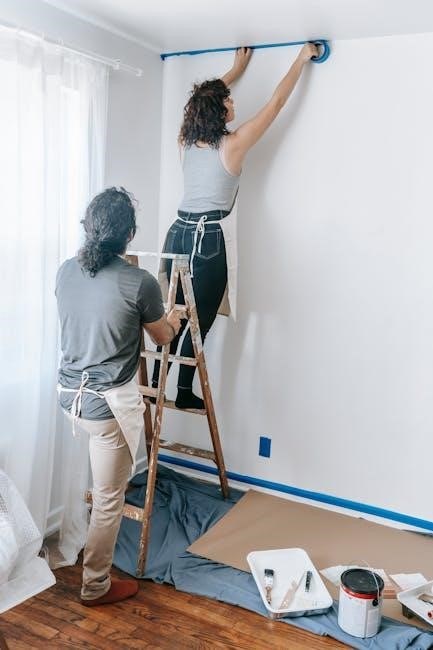
Heat pump water heaters are another efficient option‚ transferring heat from the surrounding air to heat water. Insulating your existing water heater tank and pipes minimizes heat loss. Lowering your thermostat setting to 120°F (49°C) reduces energy consumption without sacrificing comfort.
Low-flow showerheads and faucets reduce water usage without compromising water pressure. Repairing leaky faucets promptly prevents water waste. Regularly flushing your water heater removes sediment buildup‚ improving efficiency and extending its lifespan. Combining these strategies creates a more sustainable and cost-effective water heating system.
Smart Home Technology for Energy Management
Integrating smart home technology revolutionizes energy management‚ offering unprecedented control and efficiency. Smart thermostats learn your heating and cooling preferences‚ automatically adjusting temperatures to optimize comfort and minimize energy waste when you’re away.
Smart plugs monitor and control energy usage of individual appliances‚ allowing you to remotely switch off devices and eliminate phantom loads. Smart lighting systems utilize LED bulbs and motion sensors‚ reducing energy consumption and extending bulb lifespan.
Energy monitoring systems provide real-time data on your home’s energy usage‚ helping you identify areas for improvement. These systems often integrate with smart appliances‚ creating a holistic energy management solution. Utilizing these technologies empowers you to make informed decisions‚ reduce your carbon footprint‚ and lower your energy bills significantly;

Water Conservation Strategies
Implementing water-saving measures like low-flow fixtures‚ rainwater harvesting‚ and greywater recycling significantly reduces water consumption‚ benefiting both the environment and your wallet.
Low-Flow Fixtures
Transitioning to low-flow fixtures is one of the simplest and most impactful water conservation strategies for any eco-renovation. These fixtures‚ including showerheads‚ faucets‚ and toilets‚ are engineered to deliver a sufficient water pressure while drastically reducing water usage compared to their conventional counterparts.
Modern low-flow showerheads‚ for instance‚ can use as little as 2.0 gallons per minute (GPM)‚ a significant decrease from the standard 2.5 GPM or higher. Similarly‚ low-flow faucets typically operate at 1.5 GPM or less. The most substantial savings often come from upgrading toilets; WaterSense-labeled toilets use 1.28 gallons per flush (GPF) or less‚ compared to older models that could use up to 3.5 GPF or even more.
Beyond the direct water savings‚ low-flow fixtures can also reduce energy costs associated with heating water. Installing these fixtures is generally a straightforward DIY project‚ making it an accessible starting point for your eco-renovation. The initial investment is quickly recouped through lower water bills‚ and contributes to a more sustainable lifestyle.
Rainwater Harvesting Systems
Implementing a rainwater harvesting system represents a more advanced‚ yet highly rewarding‚ water conservation strategy for eco-conscious homeowners. These systems collect rainwater from your roof and store it for later‚ non-potable uses‚ significantly reducing reliance on municipal water supplies;
Basic systems involve collecting rainwater in barrels or tanks‚ often connected to downspouts. More sophisticated setups may include filtration and purification systems‚ allowing for broader applications like garden irrigation‚ toilet flushing‚ or even laundry. The size of the storage tank depends on rainfall patterns‚ roof area‚ and anticipated water demand.
While initial costs can be higher than other water-saving measures‚ rainwater harvesting offers substantial long-term benefits; It reduces water bills‚ minimizes stormwater runoff‚ and provides a sustainable water source‚ particularly valuable in regions prone to drought. Local regulations regarding rainwater harvesting vary‚ so checking with your municipality is crucial before installation.
Greywater Recycling
Greywater recycling offers a sophisticated approach to water conservation‚ reusing gently used water from showers‚ sinks‚ and washing machines for non-potable purposes. Unlike rainwater harvesting‚ greywater systems utilize water already within your home‚ reducing overall water consumption and lessening the strain on municipal systems.
These systems typically involve filtering the greywater to remove contaminants before storing it in a separate tank. The treated greywater can then be used for irrigation‚ toilet flushing‚ or other non-drinking applications. It’s crucial to avoid using greywater on edible plants due to potential health risks.
While requiring a more complex installation than rainwater harvesting‚ greywater recycling provides significant environmental and economic benefits. It reduces water bills‚ conserves a valuable resource‚ and promotes sustainable living. Local regulations governing greywater systems are often strict‚ so thorough research and permitting are essential before implementation.
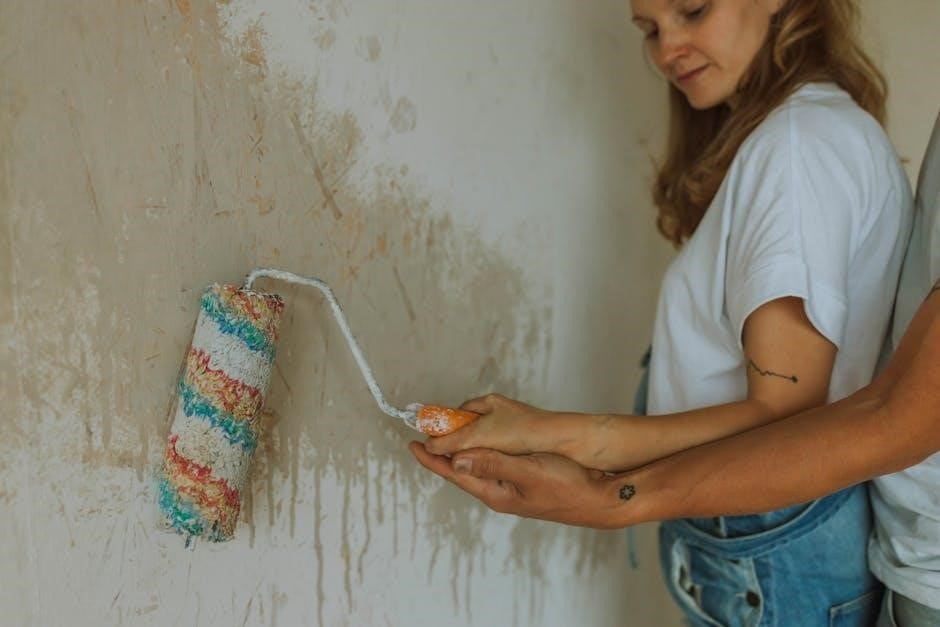
Waste Management During Renovation
Prioritize deconstruction over demolition to salvage materials. Responsible disposal and donation of usable items minimize landfill waste‚ aligning with eco-renovation goals.
Deconstruction vs. Demolition
When beginning your eco-renovation‚ a crucial first step involves deciding between deconstruction and traditional demolition. Demolition is the rapid‚ often mechanized‚ breakdown of structures‚ resulting in significant waste sent to landfills. Conversely‚ deconstruction is a careful‚ selective dismantling process.
Deconstruction prioritizes salvaging reusable materials – lumber‚ windows‚ doors‚ fixtures – minimizing waste and maximizing resource recovery. While more labor-intensive and potentially slower than demolition‚ it offers substantial environmental benefits. This approach supports eco-friendly building practices and can even offset renovation costs through the resale of reclaimed materials.
Choosing deconstruction requires planning and potentially skilled labor. However‚ the reduction in landfill waste‚ coupled with the potential for material reuse‚ makes it a cornerstone of sustainable renovation. It’s a mindful approach that respects resources and minimizes your project’s environmental footprint‚ aligning perfectly with the principles of eco-renovation.
Responsible Waste Disposal
Beyond deconstruction‚ responsible waste disposal is paramount during any eco-renovation. Even with careful dismantling‚ some waste is inevitable. Prioritize recycling – separating materials like metal‚ wood‚ and drywall – to divert them from landfills. Research local recycling facilities and their specific requirements.
For materials that cannot be recycled‚ explore alternative disposal options. Some companies specialize in construction and demolition debris recycling‚ processing materials for reuse in other projects. Avoid simply sending everything to the landfill; it’s a last resort.
Adding responsible waste handling to your renovation checklist ensures your entire project aligns with your eco-friendly goals. Proper disposal minimizes environmental impact‚ conserves resources‚ and demonstrates a commitment to sustainability. It’s a vital step in creating a truly green and responsible home renovation.
Donating Usable Materials
Before resorting to disposal‚ consider donating usable materials salvaged during your eco-renovation. Many organizations readily accept building supplies‚ fixtures‚ and appliances in good condition. Habitat for Humanity ReStores are excellent options‚ offering affordable home improvement items while supporting community projects.
Local charities‚ schools‚ and community centers may also welcome donations. Carefully assess the condition of items – ensuring they are functional and safe for reuse; This practice extends the lifespan of materials‚ reducing demand for new production and minimizing landfill waste.
Donating not only benefits the environment but also provides valuable resources to those in need. It’s a win-win solution that aligns perfectly with the principles of eco-renovation‚ promoting resourcefulness and community support. Include donation outreach in your renovation checklist for a truly sustainable outcome.