
Ruffwear Harness Size Guide: A Comprehensive Overview (Updated 12/17/2025)
Ruffwear gear sizing relies heavily on your dog’s girth – the widest point of their ribcage. Accurate measurement is crucial for comfort and safety, ensuring a secure fit for all adventures.

Understanding Ruffwear Harnesses
Ruffwear harnesses are engineered for dogs leading active lifestyles, prioritizing both comfort and control. Unlike traditional collars, harnesses distribute pressure more evenly across a dog’s chest and shoulders, reducing strain on the neck – a significant benefit, especially for breeds prone to tracheal issues or those who pull on the leash.
Ruffwear offers a diverse range of harness models, each designed with specific activities in mind. From the versatile Front Range Harness for everyday walks and hikes, to the robust Flagline Harness built for working dogs and challenging terrain, and the Web Master Harness offering full-body support for assistance, there’s a Ruffwear harness to suit nearly every canine companion and owner.
A key element across all Ruffwear designs is their commitment to durability and quality. Constructed from high-strength, abrasion-resistant materials, these harnesses are built to withstand rigorous use. Understanding the nuances of each model, and crucially, how to properly size your dog for it, is paramount to maximizing both the harness’s effectiveness and your dog’s enjoyment.
Why Use a Ruffwear Harness?
Choosing a Ruffwear harness over a traditional collar offers numerous advantages for both you and your dog. Primarily, harnesses provide superior control, particularly beneficial for enthusiastic pullers, minimizing strain on your arms and shoulders during walks. More importantly, they distribute pressure across the chest and shoulders, preventing potential neck injuries – a crucial consideration for all breeds.
Ruffwear harnesses excel in comfort, allowing for a full range of motion without chafing or restriction. This is especially valuable during extended hikes or active play. Many models, like the Flagline, incorporate features like padded construction and breathable materials, enhancing comfort even in demanding conditions.
Beyond comfort and control, Ruffwear harnesses often include practical features like reflective trim for enhanced visibility in low-light situations and strategically placed handles for assisted lifting or controlled guidance. They are a worthwhile investment for owners prioritizing their dog’s well-being and seeking a reliable, durable, and functional piece of gear.
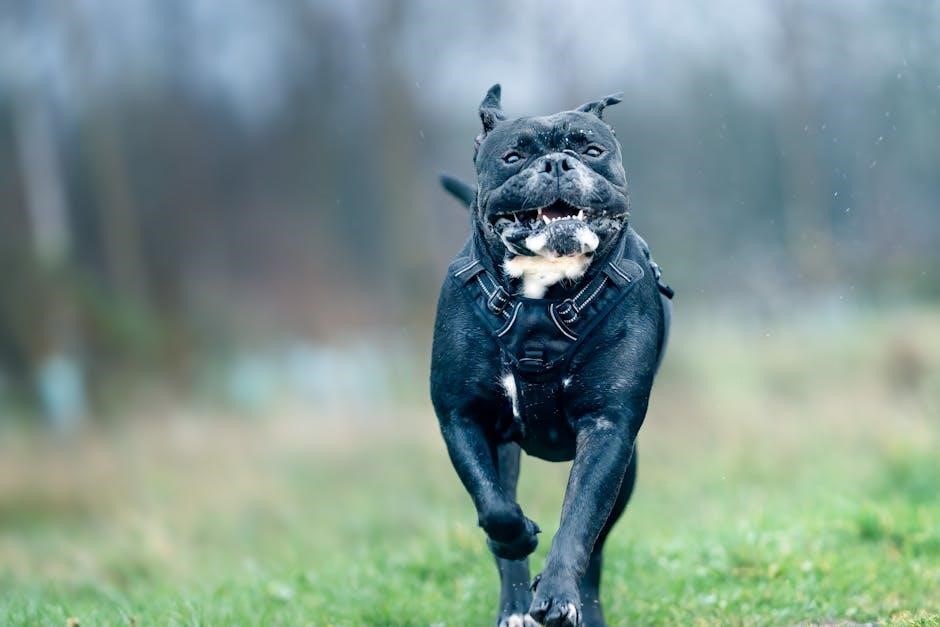
Key Measurement: Girth
When selecting a Ruffwear harness, the girth measurement is paramount. It dictates the fit and overall comfort for your canine companion. Unlike collar sizing based on neck circumference, harness sizing centers around the widest part of the dog’s rib cage, directly behind the front legs. This area ensures the harness doesn’t restrict breathing or movement.
Accurately determining the girth is the foundation of a successful harness fit. A soft, flexible measuring tape (like a tailor’s tape) is essential. Avoid rigid measuring devices that won’t conform to your dog’s body shape. The tape should sit snugly, but not tightly, against the ribcage.
Remember to measure while your dog is standing squarely, in a natural posture. Note the measurement in inches or centimeters, and always refer to the specific sizing chart for the Ruffwear harness model you’re considering, as sizes can vary between designs. Prioritizing girth accuracy prevents ill-fitting harnesses.
How to Accurately Measure Your Dog’s Girth
Measuring your dog’s girth correctly is vital for a well-fitting Ruffwear harness. Begin with your dog standing comfortably and squarely on all four legs. Use a soft, flexible measuring tape – a tailor’s tape is ideal – as rigid tapes won’t conform to their body.
Wrap the measuring tape around the widest part of your dog’s rib cage, typically located just behind the front legs. Ensure the tape is snug but not constricting; you should be able to easily slide a finger or two underneath. Avoid pulling the tape too tightly, as this will result in an inaccurate, smaller measurement.
Have a helper assist if your dog is wiggly! Record the measurement in inches or centimeters. Double-check your measurement to ensure accuracy. Remember, the girth is the primary sizing factor for Ruffwear harnesses, so precision is key to finding the perfect fit and maximizing comfort during adventures.
Ruffwear Front Range Harness Sizing
The Ruffwear Front Range Harness is a popular choice for everyday walks and light adventures. Sizing is determined primarily by your dog’s girth measurement, but considering breed characteristics is also helpful. Available sizes range from XX-Small to Large, accommodating a wide variety of breeds.
Generally, a girth measurement of 13-20 inches corresponds to the XX-Small size, suitable for very small breeds. Sizes increase incrementally, with 22-26 inches fitting Small breeds, 26-32 inches for Medium, and 32-44 inches for Large. Always consult the official Ruffwear sizing chart for the most accurate guidance, as slight variations can occur.
Remember to prioritize a snug, yet comfortable fit. The harness should allow for a full range of motion without slipping or chafing. If your dog falls between sizes, consider opting for the larger size for increased comfort and adjustability. Proper fit ensures both safety and enjoyment during your outings.
Small Breed Considerations (Front Range)
When fitting a Ruffwear Front Range Harness to a small breed dog, precision is key; These dogs have delicate frames, and an ill-fitting harness can cause discomfort or even injury. Focus on the XX-Small and Small sizes, carefully measuring girth – typically 13-26 inches.
Pay close attention to the chest strap; it shouldn’t restrict breathing or dig into their skin. Ensure the harness sits high on the chest, behind the front legs, to avoid chafing. Adjust the straps to allow a two-finger fit under the harness, ensuring it’s snug but not constricting.
Small breeds often have proportionally shorter legs, so check for any interference with their movement. A properly fitted harness will allow a full range of motion without rubbing or slipping. Regularly inspect the harness for signs of wear or chafing, and adjust as needed to maintain a comfortable and secure fit for your petite companion.
Medium Breed Considerations (Front Range)
For medium-sized dogs utilizing the Ruffwear Front Range Harness, the focus shifts to balancing security with comfort during activity. Typically, dogs with a girth between 22-36 inches will fit into the Medium or Large sizes – accurate measurement is still paramount. Prioritize a harness that distributes pressure evenly across the chest and shoulders.
Ensure the chest strap doesn’t impede shoulder movement, crucial for a natural stride. Adjust the straps to allow for two fingers to comfortably slide underneath, confirming a secure yet non-restrictive fit. Pay attention to potential rubbing under the armpits, especially during longer hikes.
Medium breeds often exhibit more energetic movement, so a snug fit is vital to prevent slippage. Regularly check the harness for wear and tear, and readjust as your dog’s weight or muscle tone changes. A well-fitted harness enhances control and enjoyment for both you and your canine companion.
Large & Extra Large Breed Considerations (Front Range)

When fitting the Ruffwear Front Range Harness to large and extra-large breeds, robust construction and proper weight distribution become critical. Dogs exceeding a 36-inch girth typically require Large or Extra Large sizes, but always verify with precise measurements.
These breeds often possess significant muscle mass, demanding a harness that avoids chafing and allows a full range of motion. Ensure the chest strap sits comfortably behind the front legs, preventing restriction. Prioritize durable materials capable of withstanding substantial pulling forces.
A secure fit is paramount for control, especially during walks or hikes. Check for any pressure points, particularly around the shoulders and chest. Regularly inspect the buckles and straps for signs of wear, given the increased stress. Proper adjustment—allowing two fingers under the straps—ensures both comfort and security for your powerful companion.
Ruffwear Flagline Harness Sizing
The Ruffwear Flagline Harness, designed for active dogs and assistance, requires careful sizing to ensure optimal performance and comfort. Unlike some models, Flagline sizing considers both girth and chest depth – the distance from the spine to the sternum. Girth remains the primary measurement, but chest depth influences fit, particularly for dogs with deep or shallow chests.
Begin by measuring your dog’s girth at the widest point of the ribcage. Then, measure chest depth. Ruffwear’s size chart correlates these two measurements to determine the appropriate harness size. A snug, but not restrictive, fit is essential. The harness should allow full range of motion without slipping or chafing.
The integrated handle is a key feature, so ensure it’s positioned comfortably for your grip. Proper sizing maximizes the handle’s effectiveness for lifting or assisting your dog. Always prioritize a secure fit to prevent accidental slippage during use.
Flagline Harness: Girth & Chest Depth
For the Ruffwear Flagline Harness, understanding both girth and chest depth is paramount for a precise fit. Girth, measured around the deepest part of the ribcage, remains the foundational measurement, dictating the overall harness size. However, chest depth – the vertical distance from the spine to the sternum – refines this selection, especially for breeds with varying body shapes.

A dog with a deep chest might require a size up to accommodate the depth, even if their girth falls within a smaller range. Conversely, a dog with a shallow chest may benefit from sizing down. Accurate measurement of both dimensions prevents rubbing and ensures the harness doesn’t impede movement.
Utilize a flexible measuring tape, ensuring it’s snug but not constricting. Refer to Ruffwear’s specific size chart, which details the girth and chest depth ranges for each available size. Prioritize a fit that allows two fingers to comfortably slide under the straps when adjusted.
Weight Considerations for Flagline Harnesses
While girth and chest depth are primary sizing factors for the Ruffwear Flagline Harness, a dog’s weight provides a valuable secondary reference point. Ruffwear’s size charts often include weight ranges corresponding to each harness size, offering an additional layer of confirmation.
However, relying solely on weight can be misleading, as muscle mass and body composition vary significantly between breeds. A heavily muscled dog might weigh more than a leaner dog of the same girth, necessitating a larger harness size. Conversely, an overweight dog might require a larger size to accommodate their girth, but this doesn’t necessarily indicate the correct fit overall.
Always prioritize girth and chest depth measurements, using weight as a guideline rather than a definitive factor. If your dog’s weight falls between size ranges, carefully consider their build and body shape. A properly fitted harness should distribute weight evenly and allow for a full range of motion, regardless of weight.
Ruffwear Web Master Harness Sizing
The Ruffwear Web Master Harness presents a unique sizing approach, focusing on a combination of girth and length measurements to ensure a secure and comfortable fit. Unlike some models prioritizing only girth, the Web Master considers the dog’s overall torso length for optimal weight distribution and stability.
To determine the correct size, measure both the girth – around the widest part of the ribcage – and the length – from the base of the neck to the point where the tail begins. Ruffwear’s sizing charts provide specific ranges for both measurements, corresponding to each harness size. It’s crucial to measure accurately, as the Web Master’s design relies on precise dimensions.
This harness is particularly well-suited for dogs needing support during activities like hiking or assisting with mobility challenges. Proper sizing is paramount to ensure the harness effectively distributes weight and doesn’t restrict movement. Always consult the official Ruffwear sizing chart for the most up-to-date information.
Comparing Ruffwear Harness Models
Ruffwear offers a diverse range of harnesses, each designed with specific activities and dog types in mind, leading to variations in sizing approaches. The Front Range Harness prioritizes everyday comfort and control, primarily relying on girth measurements for sizing. In contrast, the Flagline Harness, built for high-output activities, incorporates both girth and chest depth for a more precise fit.
The Web Master Harness distinguishes itself by considering both girth and torso length, ideal for dogs needing support or assistance. Understanding these differences is crucial when selecting the right harness and size. A dog fitting within a certain girth range for a Front Range might require a different size in a Flagline or Web Master.

Always refer to the individual sizing chart for each model, as sizes aren’t directly interchangeable. Considering your dog’s build, activity level, and specific needs will guide you toward the most appropriate Ruffwear harness and ensure a comfortable, secure fit.
Ruffwear Harness Sizing Charts – A Model-by-Model Breakdown
Ruffwear provides detailed sizing charts for each harness model, accessible on their official website. The Front Range Harness typically ranges from XX-Small (girth 12-16 inches) to Large (girth 36-44 inches), with weight considerations varying by breed. The Flagline Harness utilizes a dual measurement system; girth (13-32 inches) and chest depth (6-18 inches), offering a more tailored fit for active dogs.
For the Web Master Harness, sizing is based on girth (13-32 inches) and torso length (6-18 inches), crucial for harnesses designed to provide lift and support. These charts are not universal; a dog measuring 28 inches in girth might wear a Medium Front Range, but a Small Flagline.
Ruffwear’s charts also include approximate weight ranges for each size, but these should be used as guidelines only. Always prioritize girth and, where applicable, chest depth or torso length measurements for the most accurate fit. Regularly checking the official website ensures you have the most up-to-date information.
What to Do If Your Dog is Between Sizes
If your dog’s girth measurement falls between sizes on a Ruffwear sizing chart, it’s generally recommended to size up, especially for growing puppies or dogs with a broad chest. A slightly larger harness allows for greater adjustability and prevents uncomfortable constriction. However, consider your dog’s build; a slender dog might benefit from staying with the smaller size if the larger one feels too loose even at its tightest adjustment.
Prioritize comfort and range of motion. Ensure the harness doesn’t impede your dog’s shoulders or restrict breathing. If unsure, measure torso length (for models requiring it) to refine your decision. Remember, a secure fit allows only two fingers to slide comfortably under the straps.
Ruffwear’s customer service team can also provide personalized recommendations based on your dog’s breed and measurements. Don’t hesitate to reach out for assistance – a well-fitting harness is essential for both safety and enjoyment.
Adjusting the Ruffwear Harness for a Secure Fit
Proper adjustment is paramount for a comfortable and secure Ruffwear harness fit. Begin by loosening all straps to their maximum extent before putting the harness on your dog. Once on, start with the neck strap, ensuring it’s snug but allows two fingers to slide underneath. Next, tighten the chest strap, again aiming for a comfortable, secure fit – not too tight, restricting movement, nor too loose, allowing slippage.
For harnesses with additional adjustment points, like the Web Master, fine-tune those straps to distribute pressure evenly and prevent chafing. Regularly check the fit, especially during active use, to ensure the harness remains properly adjusted. A correctly fitted harness shouldn’t shift excessively during movement.
Remember to adjust seasonally, as your dog’s coat thickness can affect the fit. Prioritize a fit that allows full range of motion and doesn’t cause discomfort.
Common Fitting Mistakes to Avoid
One frequent error is relying solely on weight as a sizing guide; girth is the definitive measurement. Another common mistake is overtightening straps, restricting your dog’s movement and potentially causing discomfort or chafing. Conversely, a too-loose harness can slip during activity, compromising control and safety.
Failing to account for coat thickness is also problematic – adjust seasonally. Many owners neglect to check the harness fit after initial adjustment, leading to issues as their dog grows or loses/gains weight. Ignoring pressure distribution can cause rubbing and sores, so ensure straps aren’t digging in.
Finally, assuming one Ruffwear size fits all models is incorrect; each harness has its own unique sizing chart. Always consult the specific chart for the harness you’ve chosen to avoid incorrect sizing and ensure optimal comfort and performance for your canine companion.
Where to Find the Most Up-to-Date Sizing Information
The most reliable source for current Ruffwear harness sizing is the official Ruffwear website (ruffwear;com). They provide dedicated sizing pages for each harness model, complete with detailed charts and instructional videos. These charts are regularly updated to reflect any design changes or sizing adjustments.
Authorized Ruffwear retailers, both online and brick-and-mortar stores, should also have access to the latest sizing information. However, always double-check against the official website to ensure accuracy. Ruffwear’s customer support team is another excellent resource; they can offer personalized sizing advice based on your dog’s measurements.
Be cautious of relying on outdated information from third-party websites or forums. Sizing can change, and inaccurate data could lead to a poor fit. Regularly visiting the Ruffwear website guarantees you’re using the most current and dependable sizing guidelines available for a secure and comfortable harness fit.