
Knitting Patterns for Beginners PDF: A Comprehensive Guide
Embark on a rewarding journey! This guide unlocks the world of knitting, offering accessible patterns and tutorials․ Discover free resources,
step-by-step instructions, and
beginner-friendly projects in convenient PDF format․
What is Knitting and Why Learn?
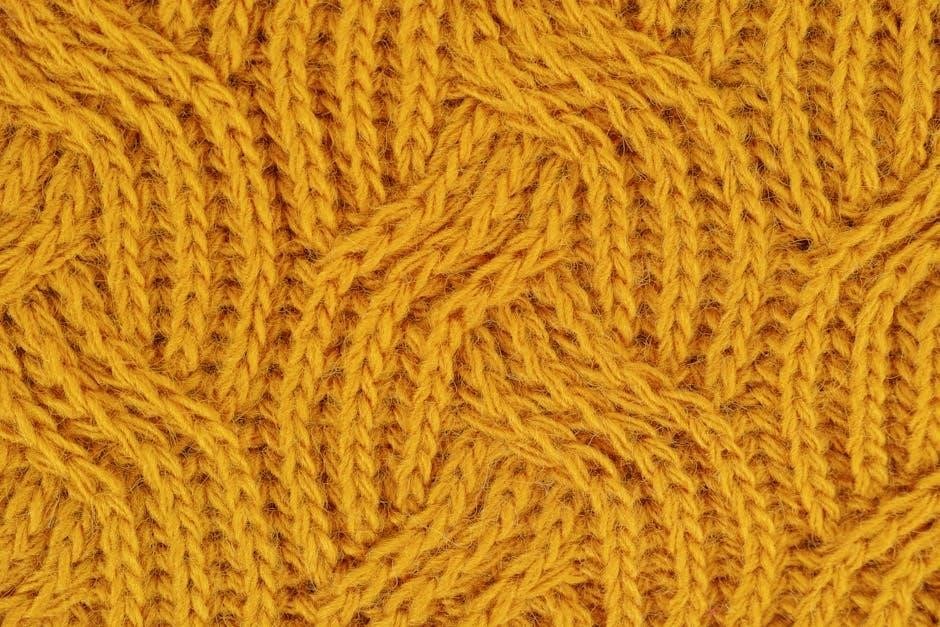
Knitting is a beautiful and versatile craft involving interlacing loops of yarn with needles to create fabric․ It’s a skill enjoyed for generations, offering a creative outlet and a sense of accomplishment․ But why learn to knit today? The benefits are numerous! Knitting is incredibly relaxing, reducing stress and promoting mindfulness․ It’s a portable hobby, perfect for travel or quiet evenings․
Beyond the personal benefits, knitting allows you to create unique, handmade items – from cozy scarves and hats to beautiful blankets and garments․ You gain the ability to customize designs, choose your favorite yarns, and craft gifts with a personal touch․
For beginners, the initial learning curve can seem daunting, but with readily available resources like free PDF patterns and online tutorials, it’s surprisingly accessible․ Starting with simple projects builds confidence and quickly demonstrates the joy of creating something tangible with your own hands․ It’s a skill that can be enjoyed for a lifetime, constantly evolving with new techniques and patterns․
Essential Knitting Supplies for Beginners
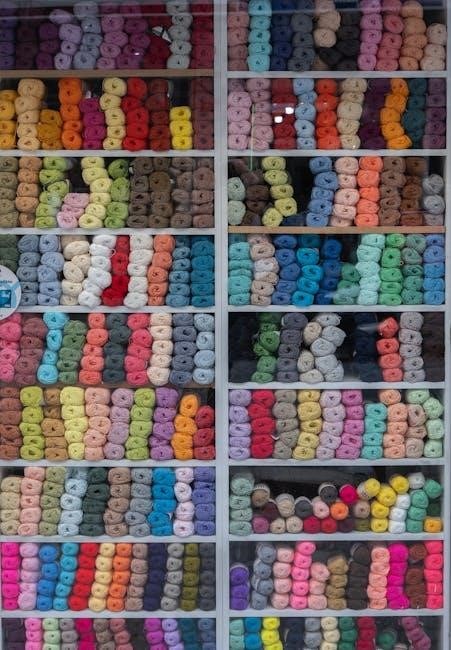
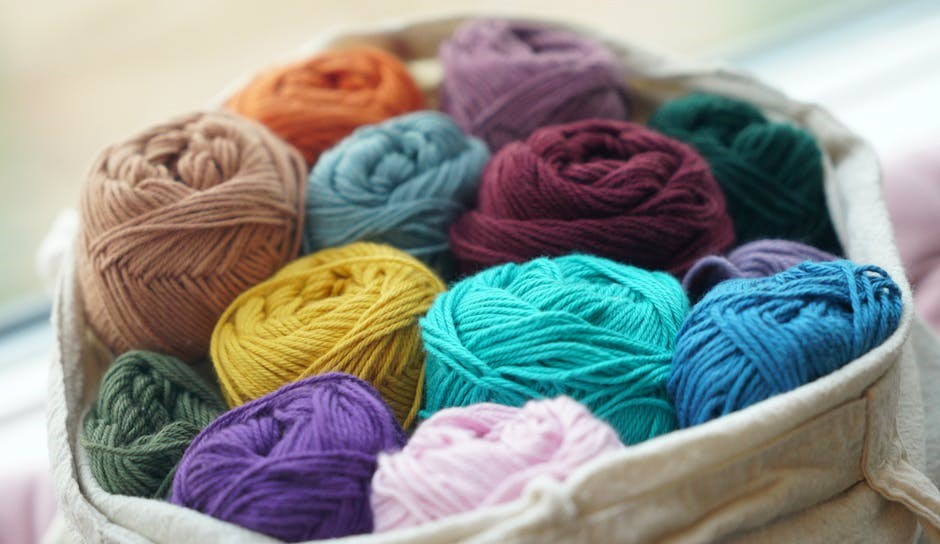
Starting your knitting journey requires just a few key supplies! First, you’ll need yarn – choose a smooth, light-colored worsted weight yarn for easy visibility of stitches․ Next, knitting needles are crucial; size US 8 (5mm) are a great starting point․ Beginners often find straight needles easier to manage than circulars initially․
Don’t forget a pair of scissors for cutting yarn, and a tapestry needle (also called a yarn needle) for weaving in ends․ Stitch markers are incredibly helpful for marking rows or pattern repeats, especially as projects become more complex․ While not essential immediately, consider a row counter to keep track of your progress․
Many free PDF patterns suggest specific supplies, making shopping easier․ Investing in quality tools can enhance your experience, but affordable beginner sets are readily available․ Remember to check pattern requirements before purchasing yarn to ensure compatibility with needle size and gauge․
Understanding Yarn Weights and Materials
Yarn weight significantly impacts your finished project! Weights are categorized (0-7) – for beginners, worsted weight (category 4) is ideal, offering good stitch definition and ease of handling․ PDF patterns will always specify the required yarn weight․
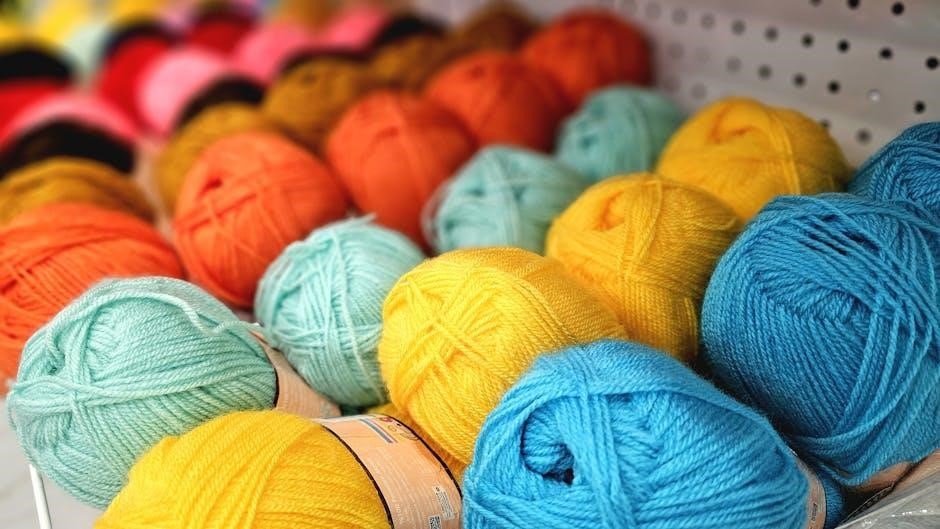
Yarn materials also vary․ Wool is classic, warm, and slightly forgiving․ Acrylic is affordable, easy-care, and great for practice․ Cotton is breathable, perfect for summer projects like dishcloths․ Blends combine benefits – wool-acrylic offers warmth and affordability․
Understanding yarn labels is key․ They indicate weight, material composition, dye lot (important for consistent color in larger projects), and recommended needle size․ Free PDF patterns often suggest specific yarn brands, but substitutions are possible, provided you match the weight and gauge․ Always swatch to confirm!

Knitting Needle Sizes and Types
Choosing the right needles is crucial! Sizes are denoted in millimeters (mm) and US numbers – PDF patterns will specify both․ Beginners typically start with US size 8 (5mm) needles, paired with worsted weight yarn․ Larger numbers mean thicker needles and larger stitches․
Needle types include straight needles (traditional, good for flat projects), circular needles (versatile, can knit flat or in the round), and double-pointed needles (DPNs) (used for small circumference knitting like socks)․ Circular needles are highly recommended for beginners due to their flexibility․
Materials matter too! Metal needles are smooth and fast, bamboo needles offer more grip (good for slippery yarns), and plastic needles are lightweight and affordable․ Free PDF patterns may not specify material, but consider your preference․ Always check the pattern gauge with your chosen needles!
Basic Knitting Stitches: The Foundation
Mastering a few key stitches unlocks a world of possibilities! The knit stitch is the most fundamental – it creates a ‘V’ shaped texture and forms the basis of most knitting projects․ PDF patterns will frequently use this stitch․ The purl stitch is its counterpart, creating a bumpy texture on the reverse side․
Combining knit and purl stitches creates various patterns․ Garter stitch (knitting every row) is simple and creates a textured fabric․ Stockinette stitch (alternating knit and purl rows) is smooth but tends to curl․ Many beginner PDF patterns utilize garter stitch due to its ease․
Understanding stitch anatomy – the loop on the needle – is vital․ Learning to identify knit and purl stitches is key to reading patterns․ Online tutorials and free PDF resources demonstrate these stitches clearly․ Practice these foundational stitches until comfortable before tackling more complex patterns!
Casting On: The First Steps
Casting on creates the initial row of stitches on your needle – the foundation of your project! Several methods exist, but the long-tail cast on is popular for beginners due to its elasticity and speed․ Many free PDF patterns assume this method․
This technique involves creating a slip knot and then using your thumb and yarn to form loops onto the needle․ It requires estimating yarn length – a common challenge for novices, but practice makes perfect! PDF tutorials often include visual aids for this step․
Another method is the knitted cast on, which creates a firmer edge․ Regardless of the method, maintaining even tension is crucial for a neat and consistent edge․ Consistent tension is vital for following PDF pattern instructions accurately․ Don’t be discouraged if your first attempts are uneven – it takes practice!
The Knit Stitch: Building Your Fabric
The knit stitch is the most fundamental stitch in knitting, forming the basis of countless patterns! Mastering this stitch is essential before tackling more complex techniques found in beginner PDF resources․ It’s often the first stitch taught in introductory knitting guides․
The process involves inserting the right needle into the front of the first stitch on the left needle, wrapping the yarn around the right needle, and pulling a loop through․ This creates a new stitch on the right needle, and the old stitch is slipped off the left needle․
Many beginner PDF patterns demonstrate this stitch with clear, step-by-step photos or videos․ Consistent tension is key to creating even fabric․ Practice creating rows of knit stitches until you achieve a uniform appearance․ Understanding the knit stitch unlocks a vast library of free and paid PDF patterns!
The Purl Stitch: Expanding Your Skills
Once comfortable with the knit stitch, the purl stitch opens up a world of textural possibilities! While seemingly simple, mastering the purl stitch is crucial for reading and executing many beginner knitting patterns available as PDFs․
The purl stitch is essentially the reverse of the knit stitch․ You bring the yarn to the front of your work, insert the right needle from right to left into the front of the stitch on the left needle, wrap the yarn around the needle, and pull a loop through․
Combining knit and purl stitches creates ribbing – a stretchy, textured fabric commonly used for cuffs and edges․ Many free beginner PDF patterns utilize this combination․ Practice alternating knit and purl rows to understand how they interact․ Don’t be discouraged if it feels awkward initially; consistent practice is key to building muscle memory and accessing more complex PDF designs!
Binding Off: Finishing Your Project
Congratulations, you’ve knitted your fabric! Now, binding off secures your stitches, preventing unraveling and creating a neat edge․ This final step is vital for completing any project from a beginner knitting pattern PDF․
Binding off involves transferring stitches from the left needle to the right needle, one at a time, while simultaneously creating a new stitch on the right needle; Essentially, you knit two stitches together, then slip the first stitch over the second, and repeat․
Many free PDF patterns include detailed binding-off instructions, often with accompanying visuals․ A slightly looser bind-off creates a more elastic edge, ideal for items like hats․ A tighter bind-off is suitable for projects needing a firm finish․ Practice this technique to ensure your projects look polished and professional, ready for enjoyment or gifting!
Reading Knitting Patterns: A Beginner’s Guide
Decoding knitting patterns is key to success! Many free beginner knitting patterns PDF utilize a standardized format, though variations exist․ Patterns typically begin with a materials list – yarn weight, needle size, and notions․ Gauge information follows, crucial for achieving the correct size; knit a swatch to verify․
Instructions are often written row by row, detailing each stitch․ Understanding common abbreviations (see dedicated section!) is essential․ Patterns may use charts, visual representations of stitch patterns, which can seem daunting initially but become easier with practice․
Look for notes clarifying specific techniques or construction methods․ Don’t be afraid to pause and research unfamiliar terms․ Numerous online resources and video tutorials can help․ Start with simple patterns and gradually increase complexity as your skills grow․ A well-written PDF pattern will guide you through each step!
Common Knitting Abbreviations Explained
Knitting patterns are filled with abbreviations! Mastering these is vital for understanding instructions within free beginner knitting patterns PDF․ K stands for knit, the most fundamental stitch․ P signifies purl, its companion stitch․ St(s) means stitch(es), while Rep indicates to repeat a section․
You’ll frequently encounter inc (increase), adding stitches, and dec (decrease), reducing them․ CO is cast on, the initial step, and BO is bind off, the finishing touch․ RS denotes right side, the public face of your work, and WS is wrong side․
Pat refers to pattern, and rem means remaining․ YO is yarn over, creating a loop, and sl st is slip stitch․ Familiarizing yourself with these common terms, often found in PDF guides, will unlock a world of knitting possibilities and prevent frustration!
Free Beginner Knitting Patterns PDF Resources
Numerous online platforms offer free beginner knitting patterns in PDF format! AllFreeKnitting is a fantastic directory, boasting a vast collection of patterns – from cozy afghans to adorable baby knits and festive holiday designs․ It’s a treasure trove for new knitters seeking inspiration․
Ravelry, a vibrant knitting community, provides access to countless free patterns, searchable by skill level and yarn weight․ Many designers offer their patterns as downloadable PDFs․ Websites dedicated to yarn companies, like LoveCrafts and Yarnspirations, also frequently provide free patterns to showcase their products․
Don’t overlook blogs and individual designer websites! Many knitters generously share their creations and patterns as free PDFs․ A quick online search for “free beginner knitting patterns PDF” will reveal a wealth of resources to kickstart your knitting journey․
Simple Scarf Knitting Pattern (PDF Focus)
A classic beginner project: the garter stitch scarf! Many free PDF patterns utilize only the knit stitch, creating a beautifully textured fabric․ Search for “easy garter stitch scarf pattern PDF” to find numerous options․ These patterns typically involve casting on a desired number of stitches (around 20-30 for a standard width)․
The pattern will guide you through rows of simply knitting every stitch․ Repeat this process until the scarf reaches your preferred length – usually between 60-72 inches․ PDF patterns often include clear, step-by-step instructions with accompanying photos, making it easy to follow along․
Look for patterns specifying beginner-friendly yarn weights, such as worsted weight․ These patterns often emphasize the simplicity of the knit stitch and provide detailed binding-off instructions to finish your scarf neatly․ Enjoy the satisfaction of completing your first knitted accessory!
Easy Hat Knitting Pattern (PDF Focus)
Level up with a simple knitted hat! Beginner hat patterns in PDF format often employ basic stitches like the knit and purl, sometimes combined to create ribbing for the brim․ Search for “beginner ribbed hat knitting pattern PDF” to discover options․ These patterns frequently start with casting on stitches for the brim, then transitioning to stockinette stitch (knit every row) for the body․
PDFs will detail increasing stitches to shape the crown of the hat, a technique that might seem daunting but is clearly explained with visuals․ Look for patterns that utilize a simple decrease method․ Worsted weight yarn is again a popular choice for ease of handling․
Many free patterns offer variations in color and texture, allowing for personalization․ The PDF format ensures clear instructions for shaping, decreasing, and finishing, including weaving in ends for a polished look․ Enjoy creating a cozy and practical accessory!
Beginner-Friendly Dishcloth Pattern (PDF Focus)
Perfect practice makes perfect! Dishcloths are ideal first projects – small, quick, and functional․ Search for “free knit dishcloth pattern PDF” to find numerous options․ These patterns predominantly utilize the garter stitch (knitting every row), making them exceptionally beginner-friendly․ Cotton yarn is the preferred material due to its absorbency and durability, readily available in various colors․
PDF patterns will clearly illustrate casting on, the knit stitch, and binding off․ Many incorporate simple stitch patterns like seed stitch (alternating knit and purl stitches) for added texture․ The square shape minimizes shaping complexities, focusing on mastering basic stitch consistency․
These patterns are fantastic for learning tension control and practicing even stitches․ The PDF format provides clear, concise instructions and often includes helpful diagrams․ Enjoy creating a practical and eco-friendly kitchen essential while honing your knitting skills!
Troubleshooting Common Knitting Mistakes
Don’t be discouraged! Mistakes are a natural part of learning to knit․ Dropped stitches are frequent, easily fixed by carefully picking up the loop with a crochet hook or knitting needle․ Uneven tension often results in wonky edges; consistent practice and mindful stitch creation will improve this․
Laddering (long floats between stitches) indicates too loose tension or incorrect colorwork technique․ Twisted stitches can occur if stitches aren’t knitted correctly; recognizing and correcting them early prevents larger issues․ PDF resources often include “mistake” sections with visual aids․
Remember to count your stitches regularly to catch errors before they escalate․ Don’t be afraid to unravel (frog) your work and start again – it’s a valuable learning experience! Online knitting communities and YouTube tutorials offer solutions to almost any problem you encounter․
Where to Find More Knitting Patterns and Support
Expand your knitting horizons! AllFreeKnitting is a fantastic directory offering a vast collection of free knitting patterns, tips, and helpful tutorials․ Ravelry, a vibrant online community, provides access to countless patterns (many free), forums for asking questions, and project ideas․
YouTube is a treasure trove of knitting tutorials, demonstrating techniques from casting on to complex stitch patterns․ Many designers offer free patterns on their websites or through email newsletters․ Look for beginner-focused groups on social media platforms like Facebook for instant support and inspiration․
Local yarn stores (LYS) are invaluable resources, offering classes, workshops, and personalized assistance․ Don’t hesitate to ask for help – experienced knitters are usually happy to share their knowledge․ Explore online pattern marketplaces like Etsy and LoveCrafts for unique and affordable designs․