
Manual Pump for Well Water: A Comprehensive Guide
Manual well pumps offer a reliable, off-grid water source, proving invaluable for remote locations and emergency preparedness; they represent a time-tested solution for accessing groundwater.
Manual well pumps represent a fundamental technology for accessing groundwater, predating the widespread availability of electricity. Historically, these pumps were the primary means of obtaining water for households, agriculture, and livestock, particularly in rural areas. Today, while electric pumps dominate many sectors, manual pumps retain significant relevance.
Their enduring appeal stems from their independence from power grids, making them ideal for off-grid living, emergency backup systems, and regions with unreliable electricity. These pumps offer a sustainable and cost-effective solution, especially where initial investment and ongoing operational costs are key considerations. They are particularly useful for communities lacking access to consistent power sources.
Historical Use and Modern Relevance
Historically, manual well pumps were ubiquitous, serving as the cornerstone of water access for centuries. From simple bucket-and-rope systems to more sophisticated piston pumps, these devices enabled communities to thrive independent of centralized infrastructure. Their prevalence reflects a time when self-sufficiency and localized resource management were paramount.
Modern relevance persists due to increasing concerns about grid vulnerability and the desire for sustainable living. Manual pumps provide a crucial backup during power outages, ensuring access to water in emergency situations. Furthermore, their simplicity and low maintenance make them attractive for remote locations and developing countries, offering a reliable water source where electricity is scarce or unavailable. They embody resilience and resourcefulness.
Types of Manual Well Pumps
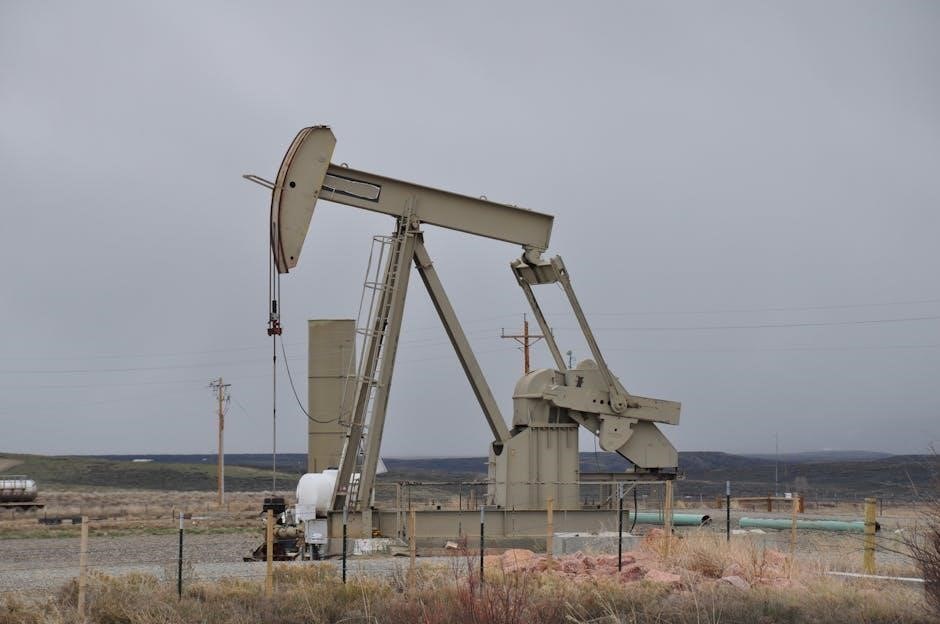
Various manual pump types exist, including shallow well, deep well, piston, diaphragm, and peristaltic models, each suited for different well depths and water needs.
Shallow Well Pumps
Shallow well pumps are ideal for accessing groundwater within 25 feet of the surface, utilizing suction to draw water upwards. Commonly, these pumps – often jet pumps – are installed above ground or within a protective well house, simplifying maintenance and access.
These pumps are generally easier to install and maintain compared to deep well options, making them a popular choice for simpler water extraction needs. However, their effectiveness is directly tied to the water table level; a significant drop in the water table can render them unusable.
They are a cost-effective solution for basic water requirements, particularly in areas where deep drilling isn’t necessary or feasible. Regular priming is often required to maintain suction and efficient operation.
Deep Well Pumps
Deep well pumps are engineered for accessing groundwater sources exceeding 25 feet in depth, requiring more robust mechanisms to overcome gravity’s pull. Manual deep well pumps frequently employ piston or diaphragm technology to efficiently lift water from significant depths.

Unlike shallow well pumps relying on suction, deep well pumps utilize positive displacement, directly pushing water upwards. These systems often involve a drop pipe extending to below the water level, coupled with a foot valve to prevent backflow.
While more complex to install and maintain, deep well pumps provide a reliable water source even during periods of lowered water tables. They are essential for properties with deep groundwater reserves.
Piston Pumps: Mechanism and Applications
Piston pumps operate on a reciprocating motion, utilizing a piston within a cylinder to create pressure and draw water upwards. The handle’s movement drives the piston, creating a vacuum that pulls water into the cylinder via the drop pipe and foot valve.
As the piston rises, the water is forced through an outlet, delivering it to the surface. These pumps are known for their ability to handle deeper wells and deliver a consistent flow rate with each stroke.
Piston pumps find widespread application in rural settings, farms, and off-grid locations where a dependable, manually operated water source is crucial. Their robust construction ensures longevity and reliable performance.
Diaphragm Pumps: Operation and Suitability
Diaphragm pumps utilize a flexible diaphragm that moves back and forth, creating pressure variations to draw and expel water. An operating pedal or handle connects to the diaphragm, causing it to flex and create a pumping action.
These pumps excel in deep well applications, as the diaphragm’s movement efficiently lifts water from significant depths. They are particularly well-suited for situations where water may contain sediment, as the diaphragm design minimizes wear and tear.
Diaphragm pumps are frequently employed in community-based water supply projects, offering a robust and reliable solution for accessing groundwater in challenging environments.
Peristaltic Pumps: A Less Common Option
Peristaltic pumps represent a less frequently utilized method for manual water extraction, operating through the compression of a flexible tube with rollers. This action pushes water through the tube, creating flow without the pump components directly contacting the fluid.
While offering benefits like minimal contamination risk and suitability for handling abrasive fluids, peristaltic pumps generally exhibit lower flow rates compared to piston or diaphragm designs. Their manual operation can require considerable effort for substantial water volumes.
Due to these limitations, they are not typically the first choice for primary well water extraction but may find niche applications where fluid purity is paramount.

Key Components of a Manual Pump System
Essential parts include the pump cylinder, drop pipe with a foot valve, a handle and linkage mechanism, and the well casing itself, ensuring a functional system.
Pump Cylinder and Piston/Diaphragm
The pump cylinder forms the core of the pumping action, housing either a piston or a diaphragm. In piston pumps, a tightly fitted piston moves up and down within the cylinder, creating suction to draw water in and then forcing it upwards.
Diaphragm pumps, conversely, utilize a flexible diaphragm that flexes back and forth, creating the necessary pressure changes. The cylinder’s material—often cast iron or stainless steel—must resist corrosion and withstand repeated stress.
The piston typically features leather or rubber cups to maintain a seal, while diaphragms are commonly made of durable rubber compounds. Proper sealing is crucial for efficient operation and preventing water loss. Regular inspection and replacement of these components are vital for sustained performance.
Drop Pipe and Foot Valve
The drop pipe is a crucial component extending from the pump cylinder down into the well water. It delivers water to the pump’s intake and must be sized appropriately for optimal flow. Typically constructed from PVC or galvanized steel, it needs to be durable and resistant to corrosion.
At the bottom of the drop pipe resides the foot valve, a one-way check valve preventing water from draining back into the well when the pump isn’t in operation. This maintains prime, ensuring the pump can efficiently draw water with each stroke.
Foot valves often incorporate a strainer to filter out sediment, protecting the pump mechanism. Regular inspection and cleaning of both the drop pipe and foot valve are essential for reliable performance.
Handle and Linkage
The handle is the user interface, providing the mechanical advantage needed to operate the pump. Designs vary – from simple levers to more ergonomic pistol grips – impacting user comfort and efficiency. Robust construction is vital, as it endures repeated force.
The linkage connects the handle to the pump’s piston or diaphragm, translating the up-and-down motion into pumping action. This system often includes connecting rods and pivot points, requiring regular lubrication to minimize friction and wear.
Proper alignment of the linkage is critical for smooth operation and preventing damage. Adjustments may be necessary over time to compensate for wear or settling. A well-maintained handle and linkage ensure effortless water retrieval.
Well Casing and Seal
The well casing is the structural lining of the well, preventing collapse and safeguarding water quality. Typically constructed from steel or PVC, it extends from the surface down into the aquifer. Proper casing diameter is crucial for pump fit and water flow.
A well seal, installed at the surface, is paramount for preventing contamination. It creates a watertight barrier against surface runoff, insects, and debris entering the water source. Clay, bentonite, or concrete are common sealing materials.
Regular inspection of the casing and seal is vital. Cracks or damage compromise water safety. A secure, intact well casing and seal are fundamental to a reliable and healthy water supply.

Advantages of Using a Manual Pump
Manual pumps provide off-grid independence, reliable emergency water access, and cost savings, eliminating electricity needs and offering a sustainable solution for water retrieval.
Off-Grid Operation and Independence
Manual well pumps truly shine in locations lacking electrical infrastructure, offering complete independence from the power grid. This is particularly crucial for rural properties, cabins, or areas prone to power outages. Unlike electric pumps, these systems require only human power to operate, ensuring a consistent water supply regardless of external circumstances.
This self-sufficiency is a significant advantage, eliminating reliance on utility companies and associated costs. For those seeking a sustainable lifestyle or preparing for emergencies, a manual pump provides peace of mind, knowing access to water isn’t contingent on a functioning electrical system. They empower individuals to manage their water needs autonomously, fostering resilience and self-reliance.
Reliability in Emergency Situations
Manual well pumps stand as a steadfast water source during emergencies when electrical power is unavailable – a critical benefit during natural disasters or widespread grid failures. While electric pumps become useless without electricity, a hand pump continues to function, providing essential water for drinking, sanitation, and fire suppression.
This reliability makes them an invaluable component of any emergency preparedness plan. They offer a backup solution that doesn’t depend on external systems, ensuring access to a fundamental necessity when it’s needed most. The simplicity of their design also contributes to their robustness; fewer components mean fewer potential points of failure, enhancing their dependability in challenging situations.
Cost-Effectiveness (Initial and Operational)
Manual well pumps generally represent a lower initial investment compared to electric submersible or jet pumps, particularly for shallow well applications. The absence of electrical components eliminates the need for wiring, specialized installation, and potentially costly electrical repairs. Operationally, these pumps are exceptionally cost-effective, as they require no electricity to function – translating to significant savings on energy bills over their lifespan.
While some maintenance is required, it’s typically straightforward and inexpensive. The long-term cost of ownership is often lower, making them an attractive option for budget-conscious homeowners or those seeking self-sufficiency.

Disadvantages and Limitations
Manual pumps demand physical effort, offer limited water volume, and require consistent maintenance; these factors represent key drawbacks compared to powered pumping systems.
Physical Exertion Required
Operating a manual well pump necessitates significant physical labor, a primary limitation for many users. Unlike electric pumps that automate the process, manual pumps rely entirely on human power to lift water from the well. This can be particularly challenging when dealing with deep wells or when a large volume of water is needed.
The effort involved can be strenuous, potentially limiting the pump’s usability for individuals with physical limitations, the elderly, or those requiring consistent, large-scale water access. Repeated pumping can lead to fatigue, making it less practical for daily, high-demand situations. The physical demand is a crucial consideration when evaluating if a manual pump aligns with a user’s capabilities and water requirements.
Limited Water Volume
Manual well pumps, by their nature, deliver a considerably smaller water volume compared to powered pump systems. The output is directly tied to the operator’s strength and endurance, resulting in a slower and more deliberate water extraction process. This limitation makes them less suitable for applications demanding high flow rates, such as irrigation or supplying multiple households.
While adequate for basic needs like drinking water and small-scale gardening, meeting larger water demands requires substantial time and effort. The intermittent nature of manual pumping also means there’s no continuous water supply, necessitating storage solutions. Understanding this volume constraint is vital for realistic expectations and appropriate application of a manual pump.
Maintenance Requirements
Manual well pumps, while robust, necessitate regular maintenance to ensure consistent and reliable operation. Key components like leather cups, valves, and linkages are subject to wear and tear, requiring periodic inspection and replacement. Lubrication of moving parts is crucial to prevent friction and corrosion, extending the pump’s lifespan. The drop pipe and foot valve also demand attention, as sediment buildup can impede water flow.
Neglecting maintenance can lead to decreased efficiency, loss of prime, or even complete pump failure. Proactive care, including cleaning and component replacement, is essential. The main disadvantage is the required maintenance, and potential difficulty of being supplied with replacement parts.

Installation Considerations
Proper installation hinges on well depth, water table levels, and pump placement within a protective housing, ensuring sanitation and preventing contamination of the water source.
Well Depth and Water Table
Determining well depth is paramount for selecting the appropriate manual pump type. Shallow well pumps, like jet pumps, are suitable for depths typically under 25 feet, relying on suction. However, deeper wells necessitate piston or diaphragm pumps capable of lifting water from greater distances.
The water table level significantly impacts pump performance. A consistently high water table simplifies operation, while fluctuating levels require careful pump placement to avoid losing prime. Accurate measurement of the static water level – the water level when the pump isn’t running – is crucial for correct installation.
Consider seasonal variations in the water table; install the pump to accommodate the lowest anticipated level. Ignoring these factors can lead to pump inefficiency or complete failure to draw water, rendering the system unusable.
Pump Placement and Housing
Strategic pump placement is vital for longevity and ease of use. Above-ground placement simplifies maintenance but exposes the pump to weather; a protective housing is highly recommended. Well houses offer excellent protection, shielding the pump from freezing temperatures and debris.
For submersible installations, ensure adequate clearance around the pump to prevent sediment buildup. Proper alignment of the pump with the drop pipe minimizes friction and maximizes efficiency. Consider accessibility for repairs when choosing a location.
Housing construction should prioritize ventilation to prevent condensation and potential corrosion. A secure base prevents movement and vibration, extending the pump’s lifespan. Protecting the pump from the elements ensures consistent, reliable water access.
Proper Sealing and Sanitation
Maintaining a sanitary well system is paramount for safe drinking water. All connections – well casing, pump cylinder, and drop pipe – must be meticulously sealed to prevent contaminant entry. Use approved well sealants designed for potable water systems.
Regularly inspect seals for cracks or deterioration, replacing them promptly. Sanitation practices include disinfecting the well and pump annually, especially after maintenance or flooding. A properly fitted well cap prevents insects, animals, and debris from entering.
Ensure the pump housing is clean and free from standing water, which can harbor bacteria. Protecting the water source from backflow contamination is crucial; install a check valve in the drop pipe.

Maintenance and Troubleshooting
Regular pump inspection, lubrication of moving parts, and addressing issues like loss of prime are vital for consistent operation and longevity of your manual well pump.
Regular Inspection and Lubrication
Consistent upkeep is crucial for a manual well pump’s reliable performance. Monthly inspections should focus on the handle, linkage, and cylinder for signs of wear, corrosion, or damage. Check for loose bolts and tighten as needed.
Lubrication is paramount; apply a food-grade, non-toxic grease to the piston rod (or diaphragm mechanism) and all moving joints. This reduces friction, prevents seizing, and extends component life. Inspect the drop pipe and foot valve annually for sediment buildup or deterioration, cleaning or replacing them as necessary.
Pay close attention to the well casing seal to prevent contamination. A proactive maintenance schedule minimizes downtime and ensures a consistent water supply, safeguarding your investment and peace of mind.
Addressing Common Issues (e.g., Loss of Prime)
Loss of prime, a frequent issue, occurs when air enters the pump cylinder. To restore it, slowly pour water into the pump cylinder while operating the handle until water is consistently drawn. Reduced water flow often indicates a clogged foot valve or drop pipe; disassemble, clean, and reinstall these components.
Stiff handle operation suggests insufficient lubrication; apply food-grade grease to all moving parts. Leaks around the pump head may require replacing worn seals or gaskets. Regularly inspect the well casing for cracks or damage, as this can introduce sediment.
Persistent problems may necessitate professional assessment, but many issues are easily resolved with basic maintenance and troubleshooting skills.
Winterization Procedures
Protecting your manual well pump from freezing temperatures is crucial. Begin by disconnecting and draining the drop pipe, removing the foot valve to prevent ice buildup. Thoroughly drain the pump cylinder by repeatedly operating the handle. Consider adding RV antifreeze to the cylinder for added protection, ensuring it’s food-grade if the pump will be used for potable water.
Insulate exposed pipes and the pump housing with foam or blankets. If possible, cover the well casing to prevent freezing around the water source. Regularly check the pump during cold snaps to ensure it remains functional;
Proper winterization prevents costly damage and ensures a reliable water supply when spring arrives.